Cost of Repairing vs. Replacing ANSI Pumps: A Comprehensive Analysis

Blog

Top 10 Industrial Pumps Tips for Optimal Performance?

Industrial pumps are essential in various sectors, including manufacturing, oil and gas, and water treatment. According to a report by Market Research Future, the industrial pump market is expected to exceed USD 75 billion by 2025, growing at a CAGR of 5.7%. Such growth highlights the need for optimal performance in these crucial devices.

Efficiency is critical for industrial pumps. Poor performance can lead to increased operational costs and downtime. Data from the Hydraulic Institute indicates that energy consumption for industrial pumps can account for over 20% of a facility's total energy costs. Therefore, ensuring pumps operate at their best has significant financial implications.

However, many facilities overlook maintenance and performance optimization strategies. Regular inspections and adjustments are vital yet frequently neglected. Implementing simple tips can enhance pump life and performance. Understanding the specific requirements of your applications is necessary for long-term success. Adopting these best practices can prevent costly errors and inefficiencies. It's essential to shift focus toward continuous improvement in pump operations.
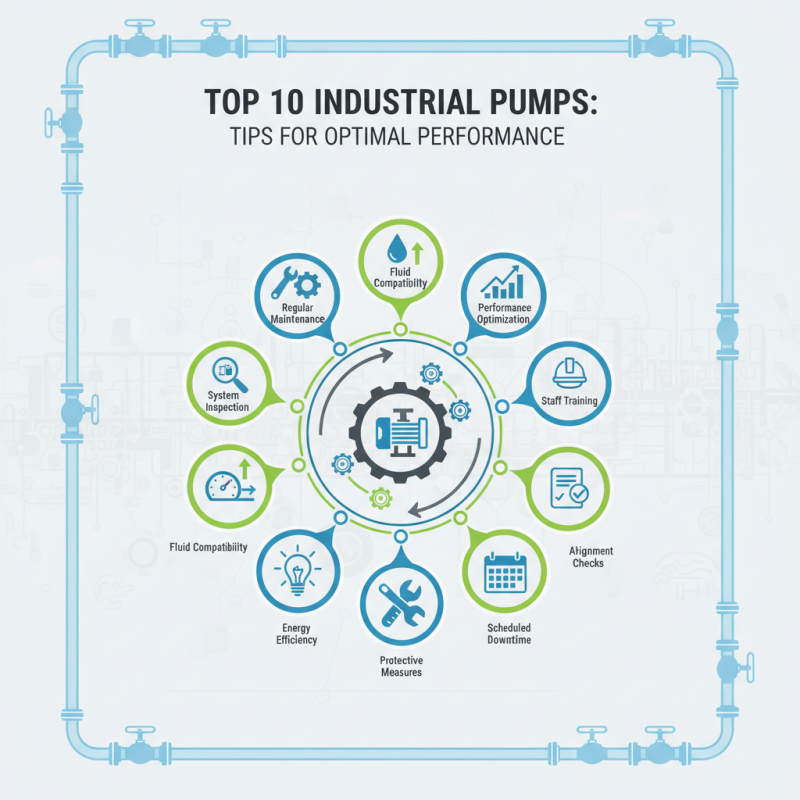
Top 10 Industrial Pumps Tips for Optimal Performance?

Understanding the Different Types of Industrial Pumps and Their Uses

Industrial pumps are essential in various sectors. They help move fluids efficiently. Understanding different types can enhance performance and reduce costs.

Centrifugal pumps are popular. These pumps use rotational energy to transport liquids. They are ideal for clear fluids and can handle large volumes. According to a report by Market Research Future, the centrifugal pump market will grow at a rate of 4.5% annually. However, they can struggle with viscous fluids.

Positive displacement pumps serve a different purpose. They move fluid by trapping a fixed amount and forcing it out. These are perfect for thick liquids and slurries. The challenges are noticeable; these pumps require careful maintenance to avoid wear. A report from Global Industry Analysts indicates that positive displacement pumps will see increasing demand, particularly in oil and gas sectors.

Even with great tech, mistakes can occur. Users may choose the wrong pump for their application, leading to inefficiencies. Regular training and awareness are crucial. Many operators overlook pump specifics like fluid characteristics. An informed choice improves not just performance but also extends the lifespan of the equipment.
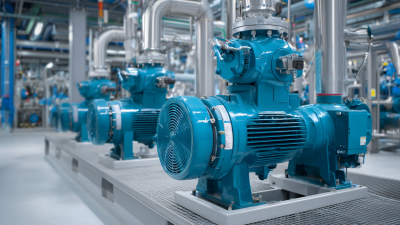
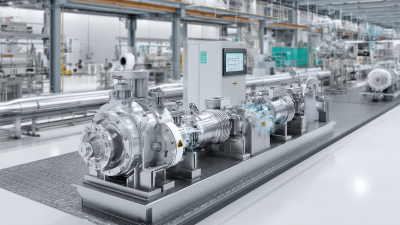
Top 10 Industrial Pumps Performance Metrics

Key Factors Influencing Industrial Pump Performance and Efficiency

Top 10 Industrial Pumps Tips for Optimal Performance?

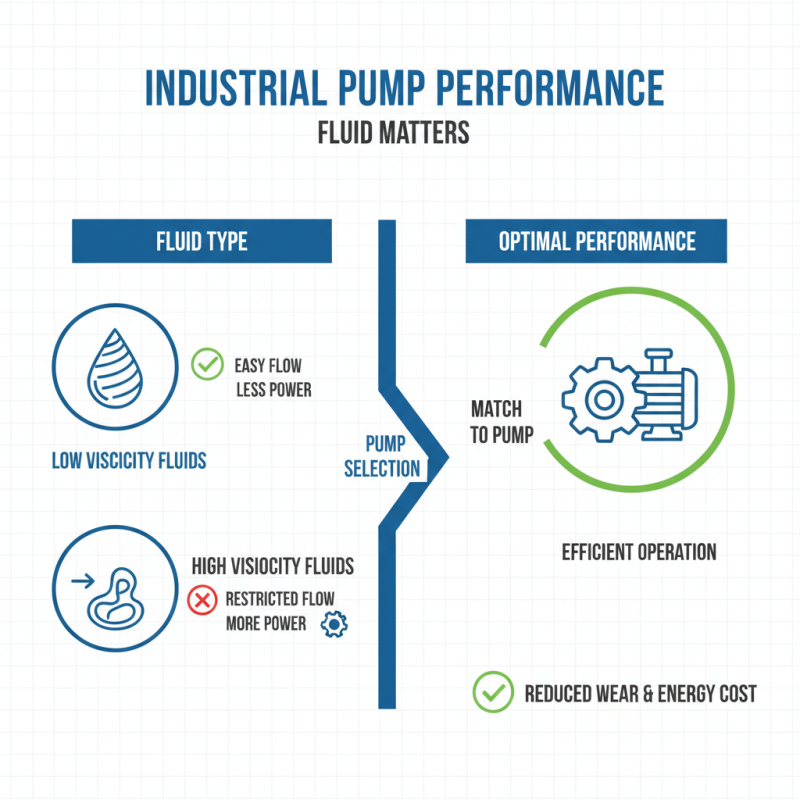
When considering industrial pump performance, several factors come into play. The type of fluid being pumped is critical. For instance, viscosity affects flow rates significantly. High-viscosity fluids often require more power. Ensure that the pump selection matches fluid characteristics to avoid inefficiencies.

Another key aspect is the pump's installation. Proper alignment is essential to prevent wear and tear. Misalignment can lead to increased vibration and reduced lifespan. Regular maintenance checks are crucial. Neglecting this can result in unexpected downtimes.

Operating conditions matter, too. Temperature fluctuations can impact pump efficiency. If the surrounding environment is too extreme, performance may dwindle. Energy consumption should be monitored regularly. This can help identify any sudden spikes or drops. Reflecting on these aspects helps improve overall efficiency and performance.

Essential Maintenance Practices for Long-lasting Industrial Pumps

Top 10 Industrial Pumps Tips for Optimal Performance?

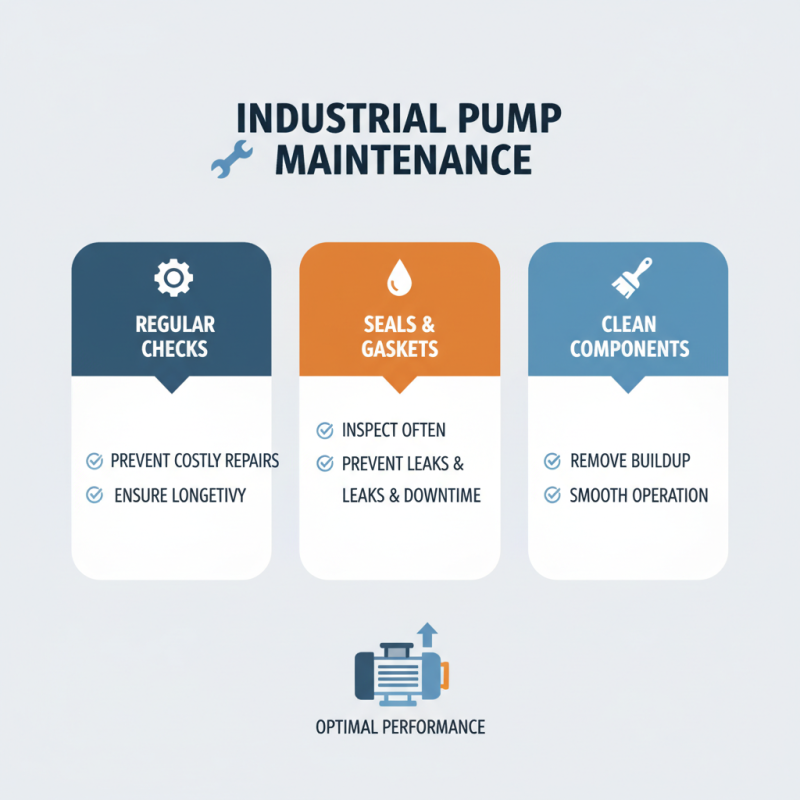
Maintaining industrial pumps is crucial for their longevity and performance. Regular checks can prevent larger, costly repairs. Inspect seals and gaskets often. A small leak can lead to significant downtime. Cleanborne parts regularly to avoid buildup. This ensures smooth operations.

Monitor fluid levels consistently. Low levels can cause overheating. Over time, this damage is often irreversible. Keep an eye on vibrations as well. Unusual vibrations can indicate misalignment or wear issues. Don’t ignore unusual sounds. They may signal a need for immediate attention.

Training staff on proper maintenance protocols is key. Empowered employees contribute to better outcomes. Documentation of maintenance activities is also beneficial. It helps track the pump’s health over time. Despite best efforts, issues may arise. Learn from these setbacks to enhance future practices.

Tips for Selecting the Right Pump for Your Specific Application

Selecting the right industrial pump for your application is crucial. Start by assessing the fluid’s properties. Consider viscosity, temperature, and chemical compatibility. These factors determine the pump type required. For instance, thicker liquids demand different designs than thinner ones. Don’t overlook the size of the particles in the fluid, as larger particles can clog pumps.

Next, think about the environment where the pump will operate. Will it be indoors or outdoors? Is there a risk of corrosion? Pumps in harsh environments need special materials. Also, evaluate the required flow rate and pressure. Too often, users choose a pump based on general recommendations. This can lead to inefficiency and higher costs.

One common mistake is underestimating maintenance needs. Regular upkeep can improve performance. However, some pumps are more demanding than others. Assess your team’s ability to perform maintenance. A user-friendly model may be worth considering, even if it costs more upfront. It is always worth reflecting on how these choices impact long-term efficiency and reliability in the system.

Top 10 Industrial Pumps Tips for Optimal Performance

Tip Number Tip Description Application Suitability Maintenance Frequency
1 Choose the right type of pump Fluid transfer Annually
2 Consider the fluid properties Chemical processing Biannually
3 Ensure proper sizing Water supply systems Annually
4 Regularly inspect seals and bearings HVAC systems Monthly
5 Monitor vibration levels Oil & Gas Every three months
6 Maintain proper fluid levels Fire protection systems Weekly
7 Check for leaks regularly Pulp and paper Monthly
8 Calibrate pressure sensors Pharmaceuticals Annually
9 Use appropriate drive systems Mining When changing equipment
10 Train staff on operations and safety All industrial settings Ongoing

Common Troubleshooting Techniques for Industrial Pump Issues

Industrial pumps play a crucial role in many processes. However, issues can arise unexpectedly. Troubleshooting these problems can save time and money. When a pump fails, check the power supply first. Ensure it is connected and receiving adequate voltage. A simple check can sometimes resolve the issue.

Another common problem is excessive vibrations. This can indicate misalignment or bearing wear. Monitor the pump's performance to identify unusual noise levels. They often signal deeper issues. Regular maintenance can mitigate these problems. Keep an eye on seals and gaskets for leaks or signs of wear.

Tip: Always keep spare parts on hand. This can reduce downtime during repairs. Plan routine inspections and listen for atypical noises. Small adjustments may prevent larger issues from developing. Remember, each pump is unique. Learning its behavior is crucial for effective troubleshooting.

Proud Member Of Curry Supply Holdings
Since 1932

Tour Our State-of-the-Art Facility

Click for a Quick Quote