Top 5 Centrifugal Pumps You Should Know About?
In the world of industrial fluid dynamics, understanding centrifugal pumps is essential. These machines enable efficient transportation of liquids in various applications. According to Dr. Emily Carter, a prominent expert in pump technology, "Centrifugal pumps are the backbone of modern industrial processes." Her insights highlight their importance in sectors like agriculture, manufacturing, and water treatment.
Centrifugal pumps function through rotational energy, making them versatile and reliable. However, not all pumps deliver the same performance. Selecting the right model often involves balancing efficiency and cost. Users should recognize potential limitations like wear and maintenance needs. Knowledge of specific pump types can vastly improve operational outcomes.
Exploring the top five centrifugal pumps can provide valuable insights for professionals. Each design serves distinct purposes and has unique strengths. Understanding these nuances helps in optimizing performance while minimizing issues. Selecting the right centrifugal pump requires careful consideration. Small mistakes can lead to significant inefficiencies.
What is a Centrifugal Pump and How Does It Work?
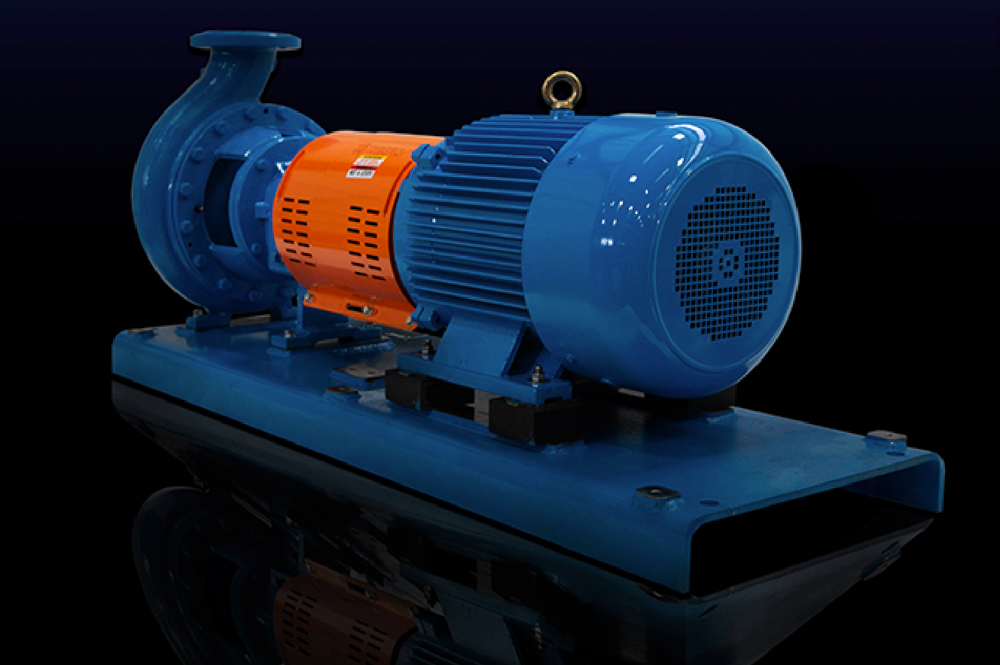
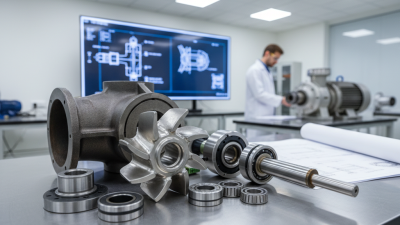
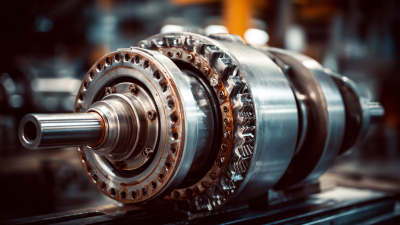
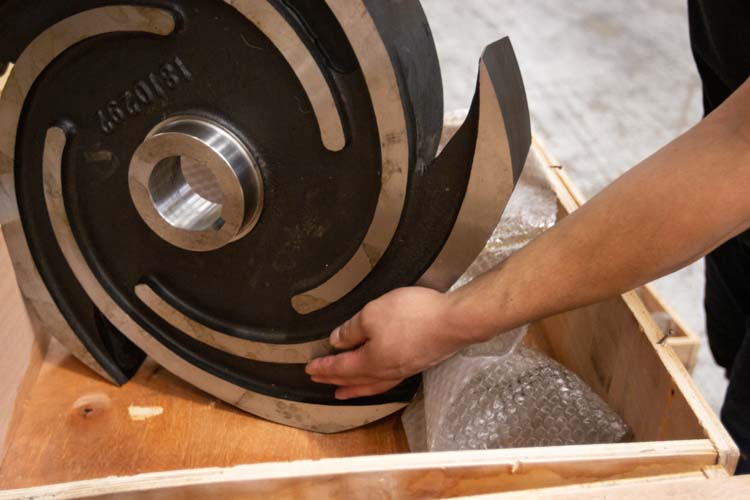
Centrifugal pumps are essential in various industries. They move fluids by using rotational energy. The core component is the impeller, which spins quickly. This motion creates a low-pressure area, drawing fluid into the pump. The fluid is then forced out through a discharge pipe. It’s a simple principle but very effective.
These pumps are widely used in agriculture, water supply, and chemical processing. They can handle different types of liquids, but not every fluid is suitable. For instance, slurries or highly viscous fluids may need a different pump design. Maintenance is critical as wear and tear can reduce efficiency. Observing the pump's performance regularly can prevent larger issues.
Understanding the operation is key. Not all centrifugal pumps are designed the same way. The size, shape, and materials used can vary significantly. These differences affect the pump’s effectiveness and longevity. Engineers often must consider these factors during the selection process. Recognizing the limitations can lead to better choices in pump applications.
Key Features to Consider When Choosing a Centrifugal Pump
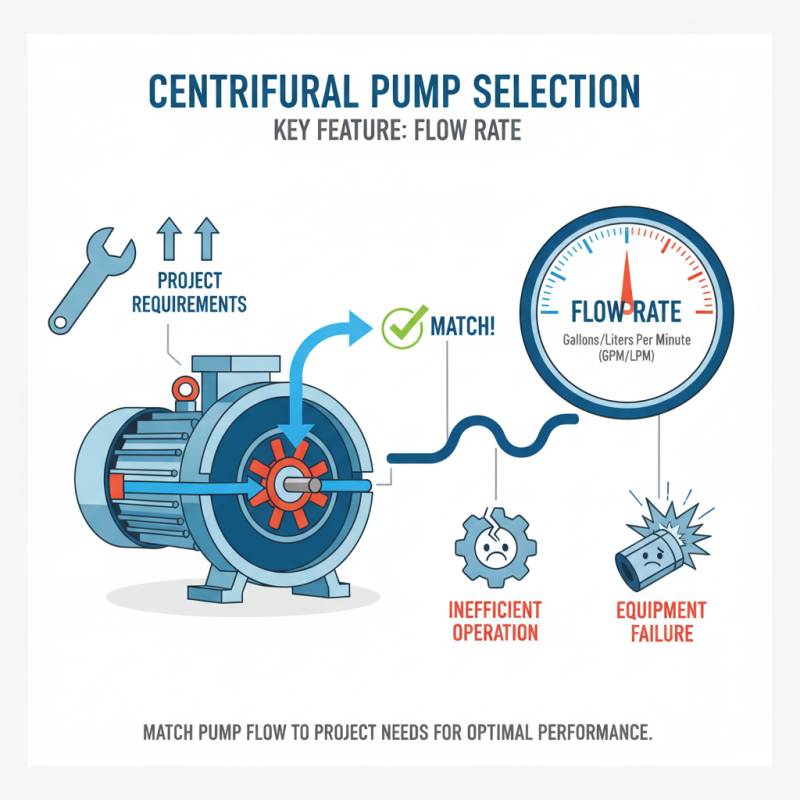
When selecting a centrifugal pump, several key features demand your attention. The pump’s flow rate is crucial. It defines how much liquid the pump can move per minute. You need to match this with your project's requirements. A mismatch can lead to inefficient operation or equipment failure.
Another vital factor is the pump’s efficiency. This feature impacts energy consumption and operational costs. A less efficient pump may save money upfront but cost more in the long run. Additionally, consider the material of the pump. The construction materials should resist corrosion, especially if handling abrasive fluids. Inappropriate materials can lead to premature wear or public safety concerns.
Also, think about the pump size and weight. An overly large pump can hinder installation. Lastly, check the warranties and service options available. It's essential to have support if the pump requires repairs or parts replacement. Reflect on how these factors align with your needs. More often than not, careful attention to these details saves headaches down the road.
Overview of the Top 5 Centrifugal Pumps on the Market
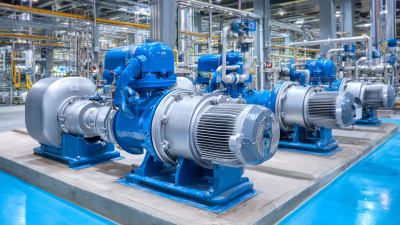
Centrifugal pumps are crucial in various industries, driving the movement of fluids. Understanding the top models on the market can enhance efficiency and reliability in operations. Recent industry reports indicate that centrifugal pumps make up over 80% of the global pump market. This underscores their importance in applications ranging from water supply to chemical processing.
One highly regarded category includes multistage pumps. They are vital for high-pressure applications. The efficiency of these models can reach up to 90%. In contrast, single-stage pumps are still popular for lower lift requirements. Their ease of maintenance is a significant draw for many operators.
**Tip:** Always assess the specific requirements of your operation before choosing a pump. Misjudging the required flow rate can lead to inefficiencies.
Some pumps are optimized for specific tasks. For instance, self-priming pumps provide convenience by eliminating the need for external priming. However, they may not handle high-viscosity fluids as effectively. Users must reflect on their unique needs to select the most suitable design.
**Tip:** Consider the entire system, not just the pump. Piping, valves, and maintenance schedules must align with the chosen pump to ensure optimal performance.
Top 5 Centrifugal Pumps Performance Comparison
This chart displays the performance characteristics of the top 5 centrifugal pumps on the market, measured in terms of flow rate (GPM) and maximum head (feet). Each pump's capabilities can help in determining the best choice for various applications.
Applications and Industries That Utilize Centrifugal Pumps
Centrifugal pumps play a vital role in various industries. They are widely used in food processing for mixing and transferring liquids. These pumps ensure consistent flow rates, which is crucial for maintaining product quality. In agriculture, centrifugal pumps transport water for irrigation, helping reduce labor costs and improve efficiency.
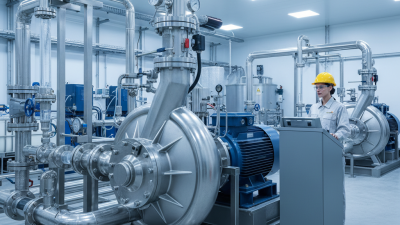
Many manufacturing sectors rely on these pumps for efficient fluid movement. For example, chemical plants use them to handle corrosive substances. This can be risky; operators must ensure safety measures are in place. In HVAC systems, centrifugal pumps circulate chilled or heated water. They are essential for temperature control in buildings.
Water treatment facilities utilize centrifugal pumps for distributing clean water. They help in processes like filtration and purification. This application is vital for public health. Despite their benefits, maintenance is often neglected. Regular checks and repairs can prevent significant downtime. Finding and fixing small leaks early can save expenses later.
Maintenance Tips for Maximizing the Lifespan of Centrifugal Pumps
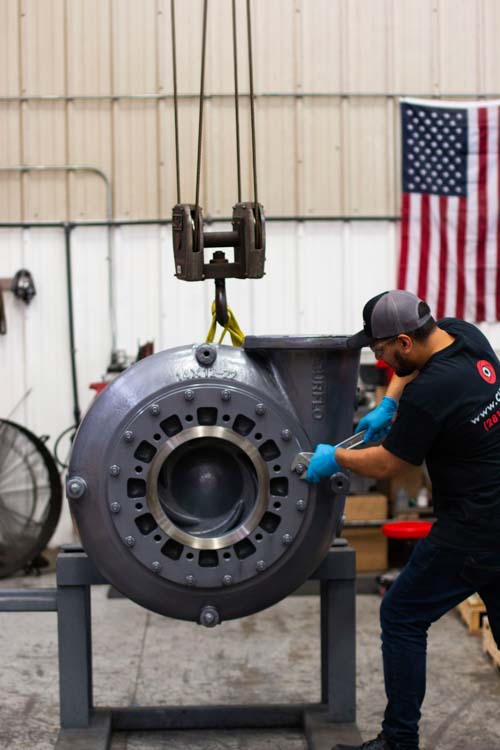
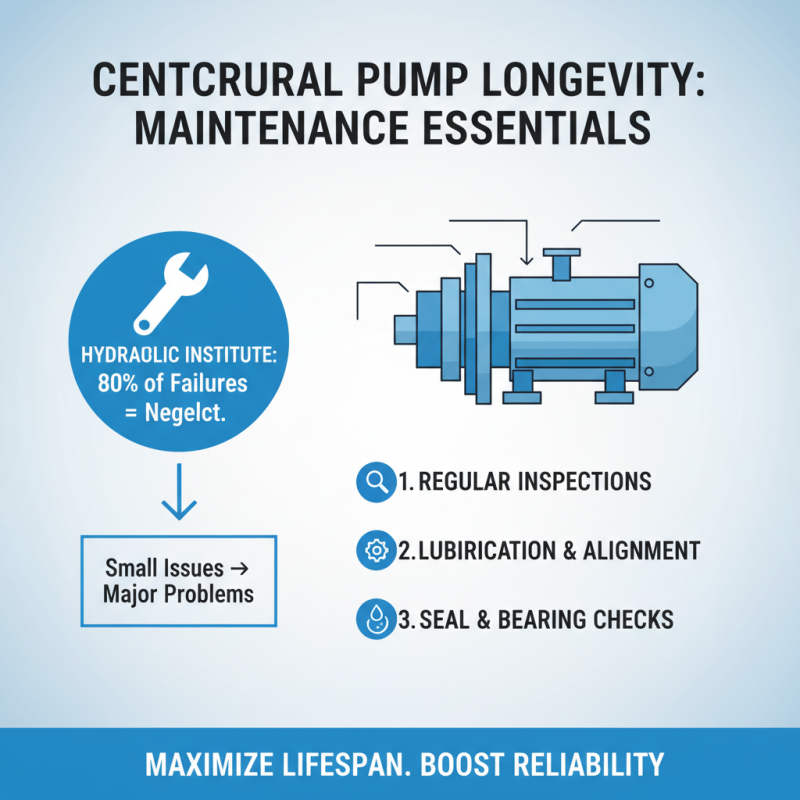
Centrifugal pumps are essential in various industries, from water treatment to chemical processing. To maximize their lifespan, proper maintenance is crucial. Regular inspections are important. According to the Hydraulic Institute, nearly 80% of pump failures can be attributed to maintenance neglect. Small issues can turn into major problems.
Lubrication is a vital aspect of pump care. Applying the right lubricant at specified intervals keeps components functioning smoothly. Additionally, monitoring the pump for unusual noises can help detect potential issues early. Another study indicates that pumps with predictive maintenance systems can achieve a 30% improvement in efficiency. It's a worthy investment.
Vibration analysis is another effective strategy. Excessive vibration can indicate a misalignment or imbalance. Operators should utilize tools to monitor vibration levels regularly. Understanding these nuances can lead to more informed decisions. A hands-on approach can prevent costly downtime. Neglecting these details might seem minor, yet they can significantly impact performance.