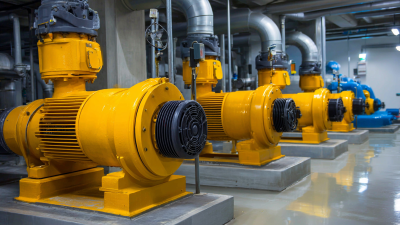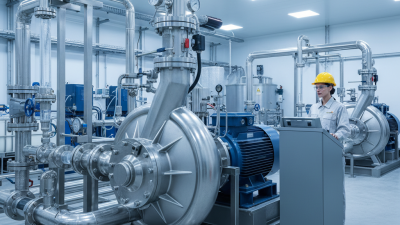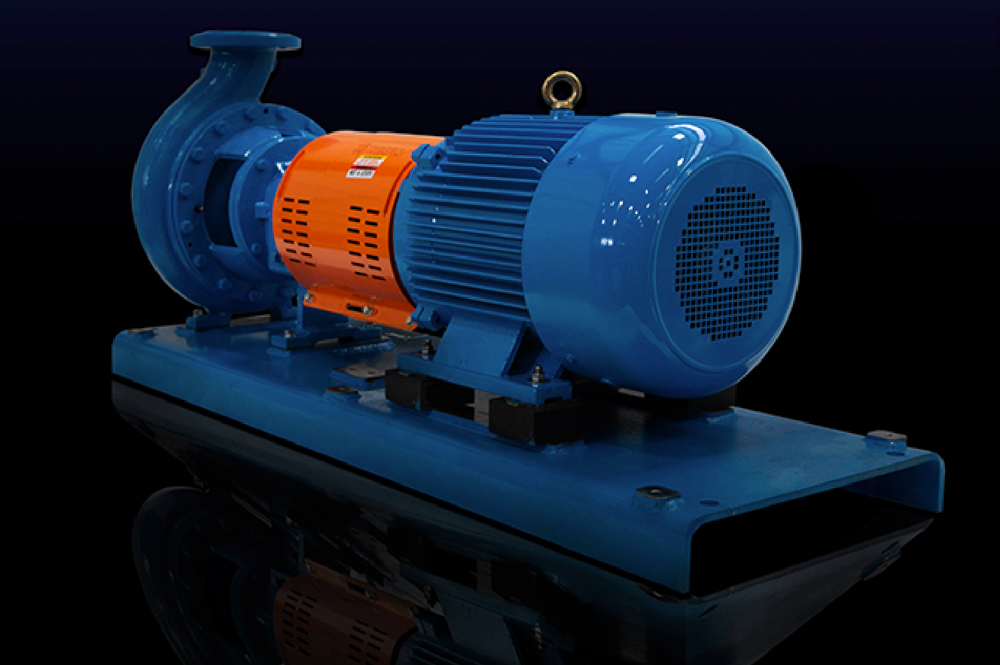
In the world of fluid handling, optimizing pump skid packages is crucial for achieving efficiency. Industry expert Dr. Sarah Thompson once stated, "Efficiency in pump skid packages is not just a goal; it's a necessity." Her insight highlights the importance of effective design and operation.
Pump skid packages play a vital role in various applications, from oil and gas to water treatment. Each component must work harmoniously to minimize energy consumption. However, many facilities struggle to optimize these systems. Common issues often arise from poor layout and inadequate maintenance strategies.
The path to improvement is often filled with reflections on past mistakes. Engineers must evaluate the design elements constantly. Enhancements can stem from better material selection or innovative control systems. Addressing these elements may lead to profound changes in performance. Ultimately, the aim is to ensure that pump skid packages operate at their peak potential.
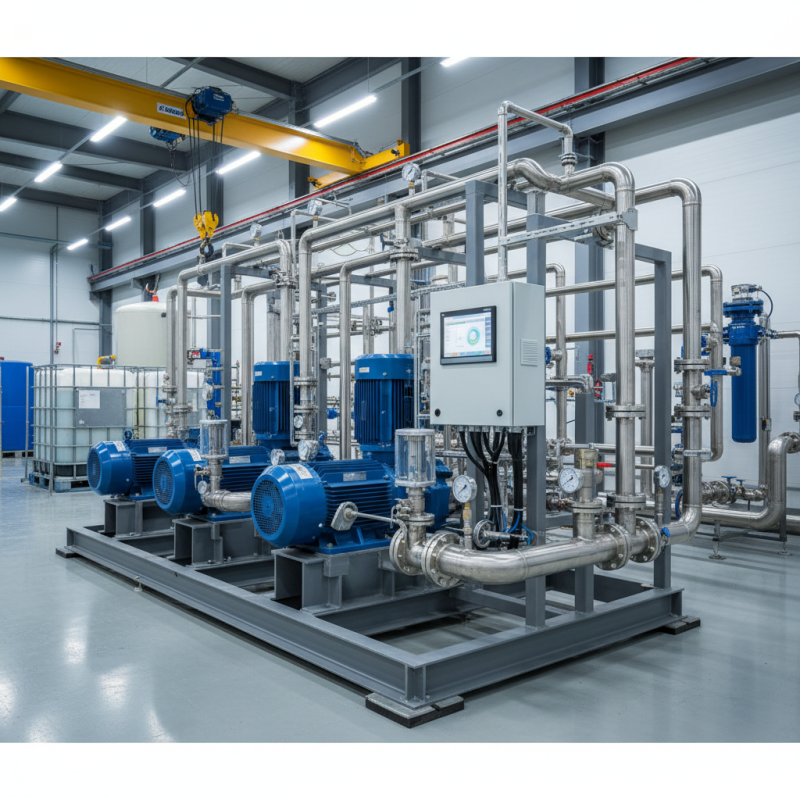
When designing pump skid packages, consider layout efficiency as a critical factor. A well-designed layout minimizes the distance between components. This can lead to less piping and reduced energy losses. Aim for a compact arrangement that promotes ease of maintenance. However, this task often becomes complicated. For example, overcrowding can hinder access for repairs. It is essential to balance space efficiency with serviceability.
Incorporating effective flow pathways is vital. Think about the fluid dynamics throughout the system. Poor planning can create turbulence, leading to inefficiency. Additionally, evaluate the positioning of pumps and motors. Close proximity can improve performance, but create noise and vibration issues. Don't overlook the need for proper insulation as well. It can help maintain system temperatures, yet excessive insulation may increase costs unnecessarily.
Regular assessments of the layout can reveal areas for improvement. Identify bottlenecks and adjust as needed. It is crucial to remain flexible throughout the design process. Considerations such as expanding operations should also influence your initial design decisions. Balancing efficiency with adaptability may seem daunting, yet it is essential for long-term success.
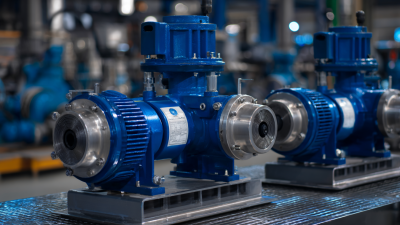
Selecting the right pump type is crucial for optimal performance in pump skid packages. Different applications require varying pump designs. Centrifugal pumps are commonly used for their efficiency in moving large volumes of fluid. However, they may not be suitable for highly viscous liquids. A recent study highlighted that over 40% of system inefficiencies stem from improper pump selection. This statistic demonstrates the need for careful consideration.
For systems handling slurries or thicker fluids, positive displacement pumps may provide better efficiency. These pumps maintain a constant flow rate and can handle high-viscosity materials. However, they require more maintenance. According to industry reports, nearly 30% of maintenance issues arise from pump selection mismatches. Operators need to analyze fluid characteristics before making a decision.
Moreover, the size and layout of the pump skid can impact performance. Oversized pumps waste energy and can lead to premature wear. Installing pumps closer to the source minimizes energy loss. Many engineers overlook these details, resulting in inefficiencies that could have been avoided. Careful planning and selection can translate to significant savings and optimal system efficiency.
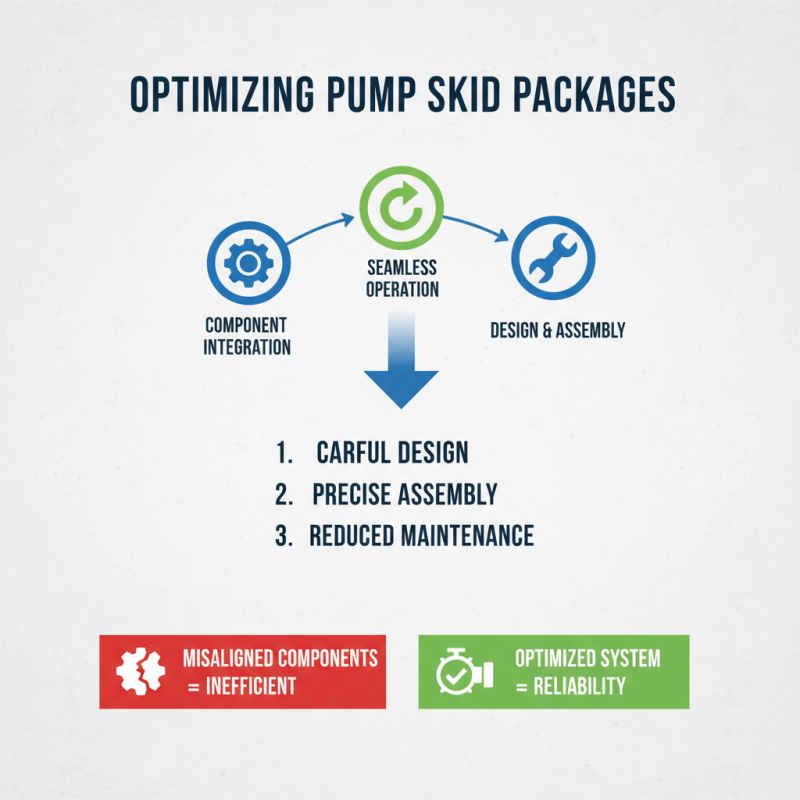
When optimizing pump skid packages, effective component integration plays a crucial role. Each component must work seamlessly with others. This demands careful consideration during design and assembly. Misaligned components can lead to inefficiencies and increased maintenance.
A compact layout is essential for good integration. Ensure there is enough space for each part. However, too much space can lead to wasted energy. Consider using flexible connections that accommodate slight misalignments. The quality of materials used for these components also affects performance. Low-quality materials can degrade, causing failures that require reflection on design choices.
Control systems must be intuitive and responsive. Operators should not struggle to manage the system. Integrating automation can enhance efficiency but requires a thoughtful approach. Overlooking user interface design can lead to operational inefficiencies. The right blend of components can greatly enhance the system, but it requires constant evaluation and adaptation.
Monitoring and maintenance strategies are critical for optimizing pump skid packages. Regular inspections can significantly impact overall performance. According to industry data, companies that invest in proactive maintenance see a 20% reduction in downtime. This translates to increased efficiency and lower operational costs.
Real-time monitoring systems can detect anomalies early. They help prevent costly failures and extend equipment life. Studies show that predictive maintenance can decrease maintenance costs by up to 30%. Sensors that track vibrations, flow rates, and temperature can provide valuable insights. However, businesses often underutilize these technologies.
Many operators neglect routine checks, assuming everything is functioning well. This oversight can lead to unexpected breakdowns. A survey indicated that 40% of pump failures stem from a lack of proper monitoring. Implementing a structured maintenance schedule can mitigate these risks. Embracing technology is not enough; training staff to interpret data is also essential to enhance efficiency.
| Tip Number | Tip Description | Expected Outcome | Frequency of Monitoring |
|---|---|---|---|
| 1 | Regularly inspect pump alignment | Reduced wear and tear | Monthly |
| 2 | Monitor vibration levels | Identifying potential failures | Weekly |
| 3 | Analyze pump performance data | Optimize operational parameters | Daily |
| 4 | Maintain fluid cleanliness | Enhanced pump life | Continuous |
| 5 | Check for leaks regularly | Increased efficiency | Weekly |
| 6 | Implement condition monitoring systems | Predictive maintenance | Monthly |
| 7 | Regularly balance pump components | Improved stability | Quarterly |
| 8 | Train operators on best practices | Reduced operational errors | Annually |
| 9 | Use energy-efficient pumps | Lower operational costs | When replacing |
| 10 | Schedule routine maintenance | Increased lifespan of equipment | Biannually |
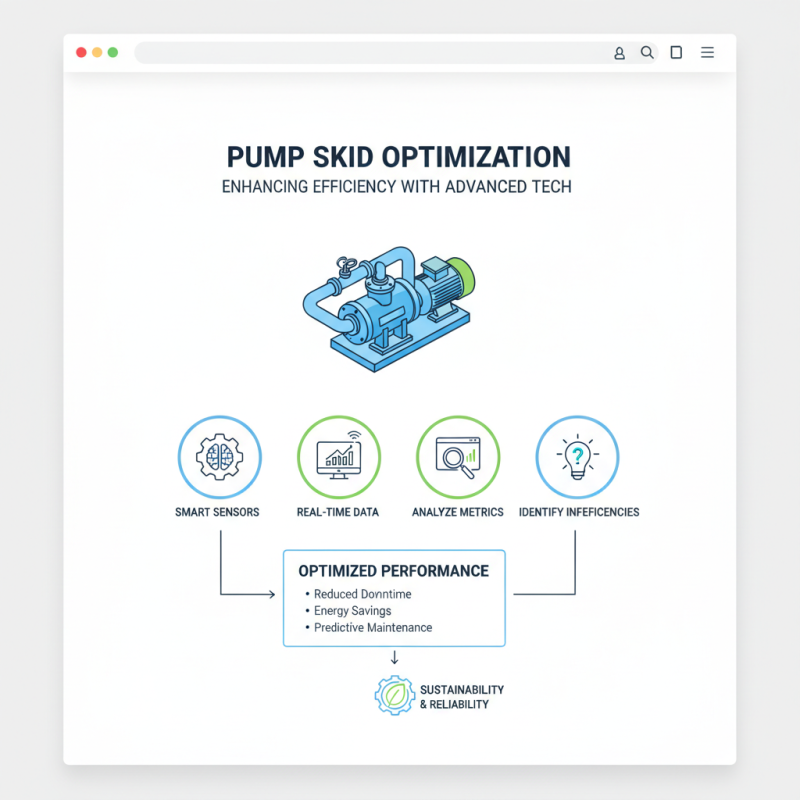
Optimizing pump skid packages is essential for enhancing efficiency. Advanced technologies play a crucial role in this optimization. Incorporating smart sensors can provide real-time data on performance metrics. This data allows operators to identify inefficiencies quickly. It’s vital to analyze this information thoroughly. Sometimes, the data may show unexpected patterns that require further investigation.
Another area of focus is automation. Automated control systems can improve response times. They adjust pump operations based on current demand. However, it’s important to ensure these systems are calibrated correctly. Misconfigurations can lead to inefficiencies. Testing and fine-tuning these systems is a continuous process. Regular reviews can uncover areas that need adjustment.
Additionally, integrating predictive maintenance can prevent downtime. Using advanced analytics, operators can predict when maintenance is needed. But relying solely on technology isn't enough. Human judgment is still essential. Operators must be trained to interpret data effectively. Balancing technology and human insight is key to achieving maximum efficiency.