Cost of Repairing vs. Replacing ANSI Pumps: A Comprehensive Analysis

Blog

10 Essential Tips for Choosing the Best Pumping Solutions for Your Needs?

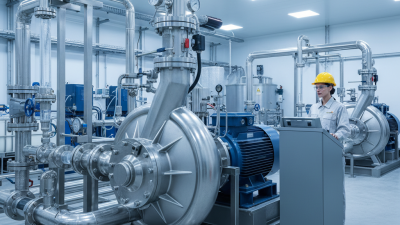
Choosing the right pumping solutions can significantly affect your operations. According to Mark Thompson, a leading expert in fluid dynamics, "Selecting the appropriate pump can enhance efficiency and reduce costs." This underscores the importance of careful evaluation.

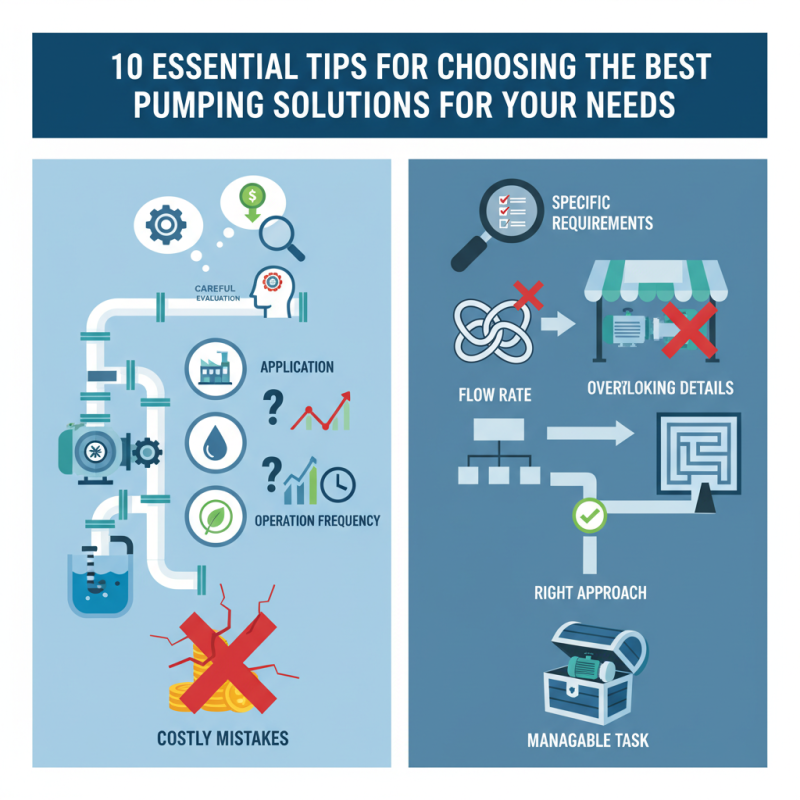
When determining your pumping needs, consider various factors. The application, fluid type, and environment all matter. It's essential to ask the right questions. What flow rate do you need? How often will the pump operate? Neglecting these details can lead to costly mistakes.

Many options exist in the market today. Understanding your specific requirements can streamline the selection process. However, be wary—overlooking the details may complicate your decisions. With the right approach, finding the best pumping solutions becomes a more manageable task.
10 Essential Tips for Choosing the Best Pumping Solutions for Your Needs?

Factors to Consider When Selecting Pump Types for Your Application

Choosing the right pump for your needs can be complex. Consider the fluid you are pumping. Different pumps work well with various liquids, like water or oil. Know the viscosity and temperature of your fluid. For thicker fluids, a gear pump may be better, while centrifugal pumps suit thinner liquids.

Next, think about the flow rate required for your application. Some processes need a high flow rate, while others work fine with lower rates. Assess your pressure needs too. Do you need to pump fluid vertically? That takes extra power. Keep in mind the distance the fluid must travel. Longer distances might mean more pressure loss.

Lastly, look at the environment where the pump will operate. Is it wet, dry, or corrosive? Pumps must withstand the conditions they face. Sometimes, the best choice isn’t the most obvious one. You may need to rethink your initial assumptions. Gather all relevant information before you decide. Reflect on how each factor fits your specific requirements.

10 Essential Tips for Choosing the Best Pumping Solutions for Your Needs

Tip # Consideration Factor Description
1 Application Type Identify the specific use case for the pump (water, chemicals, slurries, etc.).
2 Flow Rate Determine the necessary flow rate for your application to ensure efficiency.
3 Head Pressure Evaluate the height and distance the fluid needs to be pumped.
4 Fluid Characteristics Consider viscosity, temperature, and corrosiveness of the fluid.
5 Maintenance Assess the ease of maintenance and availability of replacement parts.
6 Energy Efficiency Look for pumps that minimize energy consumption to save costs.
7 Installation Space Measure the available space for the pump installation.
8 Noise Levels Consider the operational noise and whether it’s acceptable for your environment.
9 Safety Features Ensure the pump has built-in safety features for operator protection.
10 Budget Constraints Set a realistic budget and consider the total cost of ownership.

Understanding Flow Rate Requirements: Critical Data for Pump Selection

Understanding flow rate requirements is pivotal for effective pumping solutions. Flow rate indicates how much fluid can move through a system in a given time. Common units of measure are gallons per minute (GPM) or liters per minute (LPM). According to industry reports, selecting the wrong flow rate can lead to inefficiencies. Up to 30% of operational costs may arise from improper pump sizing.

When evaluating flow rate, consider the specific application. Factors such as fluid viscosity and system pressure directly influence these requirements. For example, thicker fluids typically require a higher flow rate to overcome resistance. Moreover, varying operational conditions can complicate accurate assessments. Continuous monitoring is advisable to ensure that flow rates align with evolving needs.

Additionally, it’s crucial to reflect on system changes. Construction, material transitions, or new operational practices may adjust flow requirements. A study revealed that 40% of pumps operate at less than optimal conditions, highlighting a frequent oversight. Under-performance can lead to premature pump failure or excess energy consumption. Understanding these dynamics ensures appropriate pump selection, increasing both reliability and efficiency in fluid management.

Evaluating Pump Efficiency: Impacts on Cost and Performance Metrics

10 Essential Tips for Choosing the Best Pumping Solutions for Your Needs?

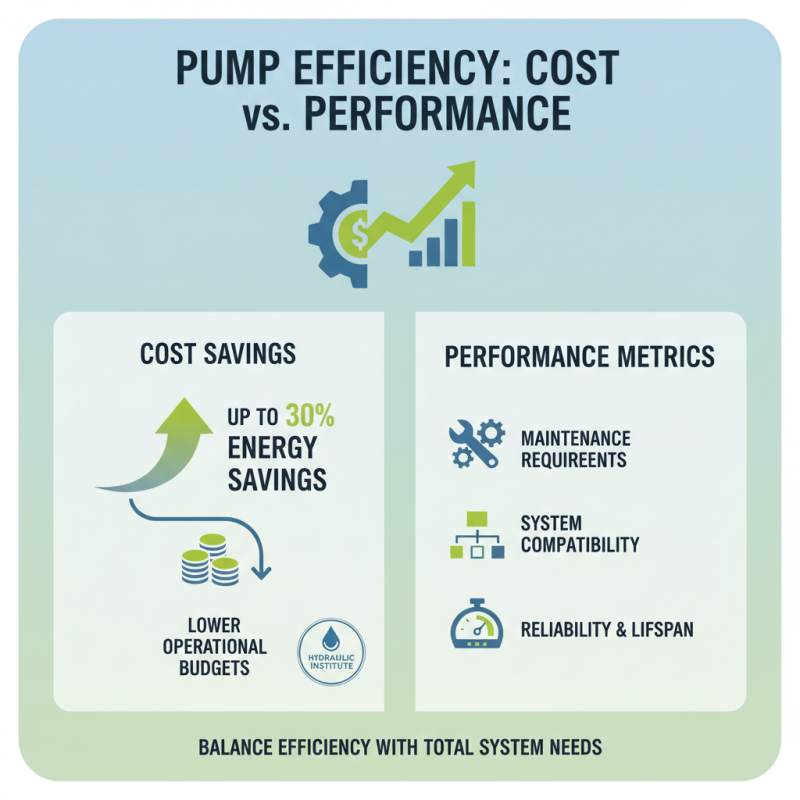
When evaluating pump efficiency, it’s essential to consider both cost and performance metrics. According to the Hydraulic Institute, a high-efficiency pump can save up to 30% in energy costs. This significant reduction impacts operational budgets. Yet, choosing a pump based solely on efficiency can overlook other critical factors, such as maintenance requirements and system compatibility.

Additionally, life cycle costs matter. A study from the U.S. Department of Energy shows that maintenance can account for up to 60% of total pump costs over its lifespan. A highly efficient pump that requires frequent servicing might not be ideal. Operators must assess long-term implications rather than just initial savings. Balancing efficiency with reliability is key.

Pumping systems often lose efficiency due to poor design. A report by the International Pump User Group indicates that misalignment can decrease performance by 20%. Thus, ensuring proper installation is crucial. Neglecting this aspect can lead to unnecessary expenses. It’s imperative to evaluate the whole system holistically. Without this perspective, achieving optimal performance can be elusive.

Material Compatibility: Ensuring Longevity of Pump Components

10 Essential Tips for Choosing the Best Pumping Solutions for Your Needs?

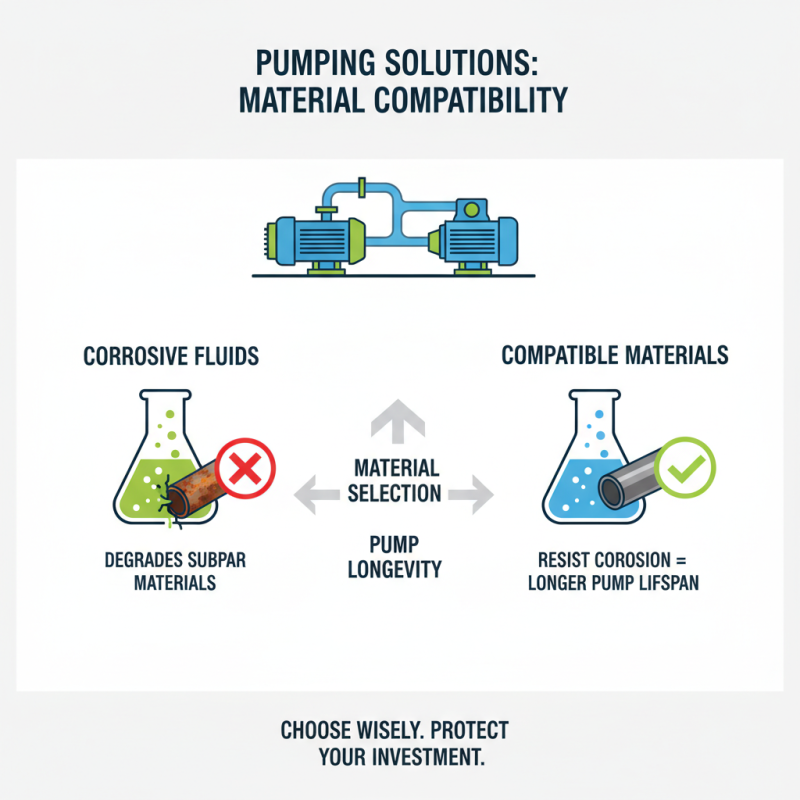
Choosing the right pumping solutions requires careful consideration of material compatibility. The pump's components must endure the fluid they handle. For instance, corrosive liquids can quickly degrade subpar materials. Selecting materials that resist corrosion is crucial in ensuring a longer lifespan for your pump.

Rubber and plastic may work well for certain applications but can fail under pressure or when exposed to certain chemicals. Stainless steel often provides better durability in harsh environments. However, it may not always be the right choice for every fluid. Certain acids could still pose a threat, even to sturdier materials. Evaluate thoroughly before making a decision.

Regular checks and maintenance help identify wear and tear. It's easy to overlook material fatigue until there's a failure. Understanding the specific application is vital. Ensure your choice aligns with the unique demands of your pumping solution. What may seem like an adequate choice today could become a costly mistake tomorrow.

Maintenance and Support: Key Aspects of Sustainable Pump Operations

When considering pumping solutions, maintenance and support are crucial for sustainable operations. Regular maintenance prevents costly breakdowns. A report from the Pump Manufacturers Association indicates that improper maintenance can increase operational costs by up to 30%. Keeping track of service schedules ensures pumps work efficiently and last longer.

The choice of materials used in pump construction can impact maintenance needs. For example, corrosive environments require different materials compared to standard applications. About 35% of pump failures occur due to material degradation. Regular inspection can help identify these issues before they escalate.

Support services should also be part of your decision-making process. Technical support can guide routine inspections and troubleshooting. A well-documented support process can enhance pump reliability. Consider asking potential service providers about their response times and service levels. Investing in these aspects can facilitate better performance and extend the life of your pumping systems.

Top Considerations for Pumping Solutions

Proud Member Of Curry Supply Holdings
Since 1932

Tour Our State-of-the-Art Facility

Click for a Quick Quote