How to Choose the Right Industrial Pump Parts for Your Needs?
Choosing the right industrial pump parts is essential for efficient operations. With the global industrial pump market projected to reach $19.4 billion by 2025, having the right components is more critical than ever. Poor choices can lead to inefficiencies or even costly downtimes, which many companies struggle to recover from.
Data from industry reports indicates that up to 30% of pumps fail due to improper selection of parts. This highlights the importance of understanding your specific needs and applications. Factors such as flow rate, pressure, and compatibility can make a significant difference. It's not just about the price; quality and reliability matter.
Reflecting on past experiences, many buyers have regretted their rushed decisions. In some cases, selecting cheaper, unsuitable industrial pump parts resulted in increased maintenance costs. It’s vital to invest time in research and ask the right questions. A little extra effort can lead to improved performance and longevity of your equipment.
Understanding Different Types of Industrial Pumps and Their Applications
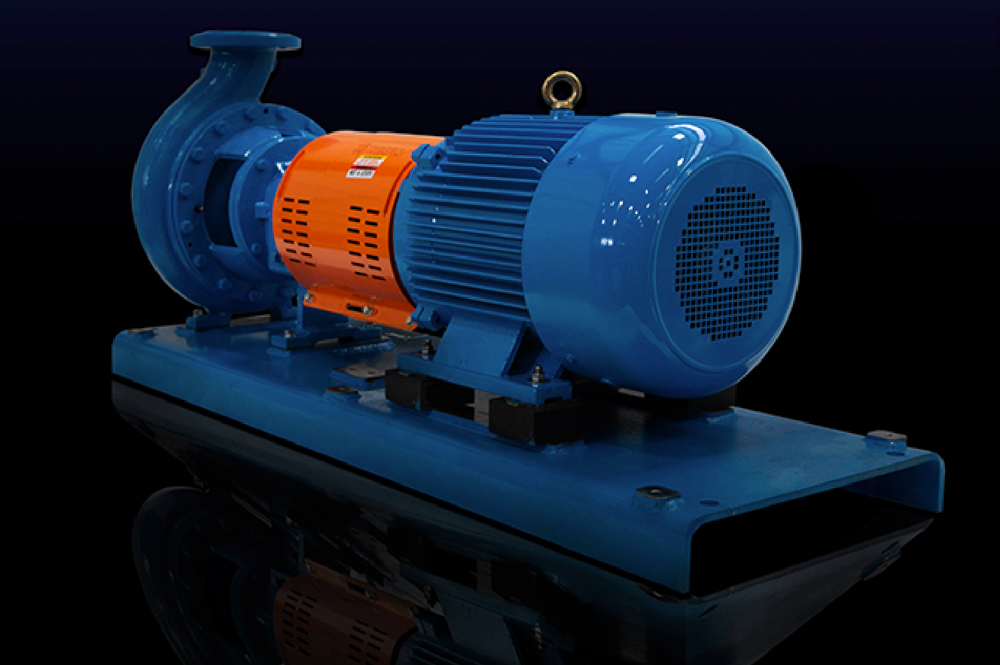
When selecting industrial pumps, it's crucial to understand the diverse types and their applications.
Centrifugal pumps are common in water treatment. They efficiently move fluids by converting rotational energy. A report from the Global Pump Market Analysis indicates that centrifugal pumps accounted for over 70% of pump sales in 2022.
Positive displacement pumps are another key category. They are ideal for handling viscous fluids. Industries like food processing and chemicals rely on these pumps for their ability to maintain flow rates regardless of pressure changes. According to industry research, the demand for positive displacement pumps has grown by 15% annually, reflecting the rise of sectors requiring precise fluid movement.
Hydraulic pumps also play a vital role. They are often used in construction and automotive industries. While they provide powerful fluid transfer, their complexity can be a concern. This complexity sometimes leads to increased maintenance costs. Therefore, understanding specific needs is essential before making a decision. Each type of pump offers unique strengths, but it’s important to analyze operational demands thoroughly.
Factors to Consider When Selecting Pump Parts for Specific Industries
Choosing the right industrial pump parts hinges on understanding specific industry needs. Different applications require distinct pump characteristics. For instance, the oil and gas sector often demands high corrosion resistance. A report by the American Petroleum Institute indicates that over 40% of equipment failures are attributed to inadequate part selection.
In the water treatment industry, efficiency is paramount. Pumps used here must handle large volumes while minimizing energy consumption. According to the Water Environment Federation, energy-efficient pumps can reduce operational costs by nearly 30%. This emphasizes the need for thorough assessment of pump specifications.
Waste management processes also present unique challenges. The nature of liquids often varies, and so do the pumping requirements. A study by the Environmental Protection Agency revealed that mismatched parts led to downtime and increased maintenance costs for 50% of facilities. Selecting the right components is not merely an operational decision; it impacts overall efficiency and sustainability.
Evaluating Material Compatibility for Pump Parts in Varying Environments
When selecting industrial pump parts, material compatibility is key. Different environments can severely impact the performance and lifespan of these components. For example, a study from the Industrial Pump Association found that improperly chosen materials lead to a 20% increase in maintenance costs. This emphasizes the need for careful evaluation.
Consider the chemical nature of the fluids handled. Some corrosive substances may require specialized materials like stainless steel or certain plastics. Abrasive materials can wear down standard options quickly. Tips: always analyze fluid properties and expected temperature ranges. Consult material data sheets to ensure compatibility.
Another important factor is the environmental conditions. Extreme temperatures, humidity, or exposure to UV light can affect material integrity. According to research, elastomers can lose elasticity at higher temperatures, causing leakage. Tips: think about long-term performance. Regularly evaluate your parts' condition to catch early signs of wear. Mistakes in material choice can be costly and lead to failures. Be proactive in your assessments.
How to Choose the Right Industrial Pump Parts for Your Needs? - Evaluating Material Compatibility for Pump Parts in Varying Environments
| Pump Part |
Material |
Environment |
Temperature Range (°C) |
Chemical Compatibility |
| Impeller |
Stainless Steel |
Water Treatment |
-20 to 120 |
Excellent |
| Seal |
EPDM Rubber |
Food Processing |
-10 to 100 |
Good |
| Casing |
Cast Iron |
Chemical Processing |
-20 to 150 |
Fair |
| Bearing |
Bronze |
Wastewater Treatment |
-10 to 90 |
Excellent |
| Diaphragm |
PTFE |
Chemical Transfer |
-30 to 200 |
Excellent |
Assessing Performance and Efficiency Requirements for Pump Components
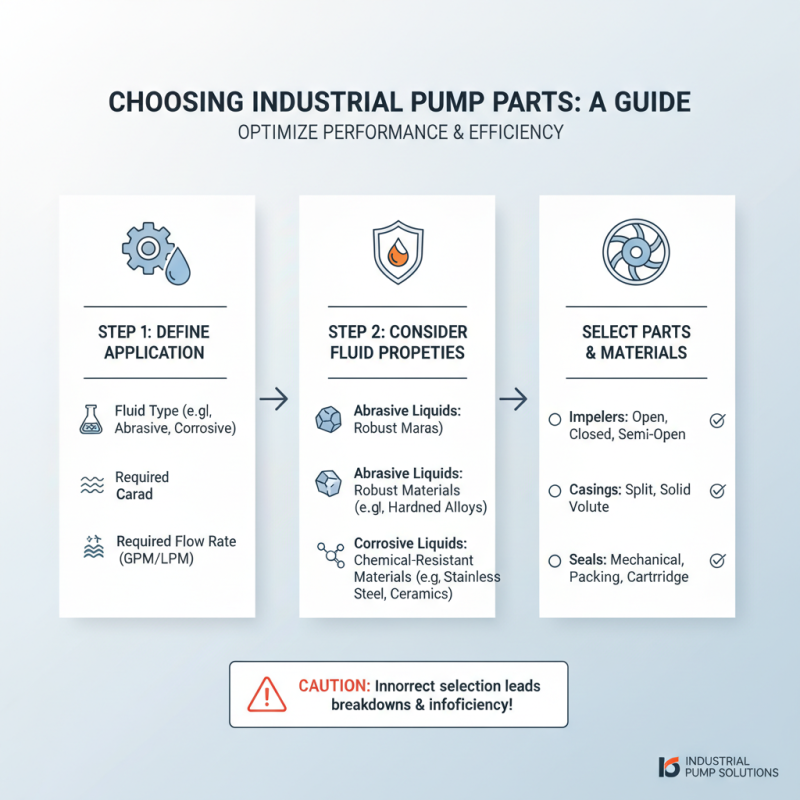
Choosing the right industrial pump parts involves careful assessment of your performance and efficiency needs. Start by defining the specific application of the pump. This includes understanding the fluid being pumped and the required flow rate. If you're handling abrasive liquids, for example, you might need more robust materials. Not all pumps can handle every type of fluid efficiently, which can lead to unexpected breakdowns.
Next, consider the energy efficiency of the components. Inefficient parts can increase operational costs significantly. Look for seals and bearings designed to minimize friction. A pump that uses more energy won’t only cost more to run but can also affect the entire system's performance. Regular maintenance checks can identify wear and tear before it escalates, but this requires self-discipline and commitment.
It's easy to overlook small details like connector types and pipe sizes. They can impact overall efficiency. If parts are not compatible or misaligned, the system may operate poorly. Reflect on past experiences with pump failures and learn from them. Emphasizing performance and efficiency while being mindful of your resources can guide you in making informed choices.
Best Practices for Sourcing Quality Industrial Pump Parts and Suppliers
When sourcing quality industrial pump parts, it’s crucial to consider several factors. Start by evaluating your specific needs. What type of pump do you have? Different pumps require different components. Ensure you have the specifications on hand before you begin your search. This not only saves time but also helps narrow down potential suppliers.
Tips: Always ask for references. Reliable suppliers should have a list of satisfied customers. Speak with others in your industry who have experience with potential suppliers. Their insights could save you from making a poor choice.
Next, assess the supplier's quality assurance measures. A reputable supplier should have certifications. These indicate adherence to industry standards. Look for suppliers who conduct regular quality checks on their products. Quality parts lead to better performance and longevity, reducing costly downtime.
Tips: Visit the supplier’s facilities if possible. Seeing their operations first-hand can provide valuable insights. If a supplier hesitates or avoids the visit, consider it a red flag. Remember, the relationship with your supplier is vital for ongoing support and service.
Keep in mind that price is not everything. Cheaper parts may lead to more significant issues. Take a long-term view. Cutting corners may hurt your operations down the line. It’s essential to find a balance between quality and cost.
Industrial Pump Parts Sourcing Analysis
This bar chart displays the importance of various factors in sourcing industrial pump parts, as perceived by procurement professionals.