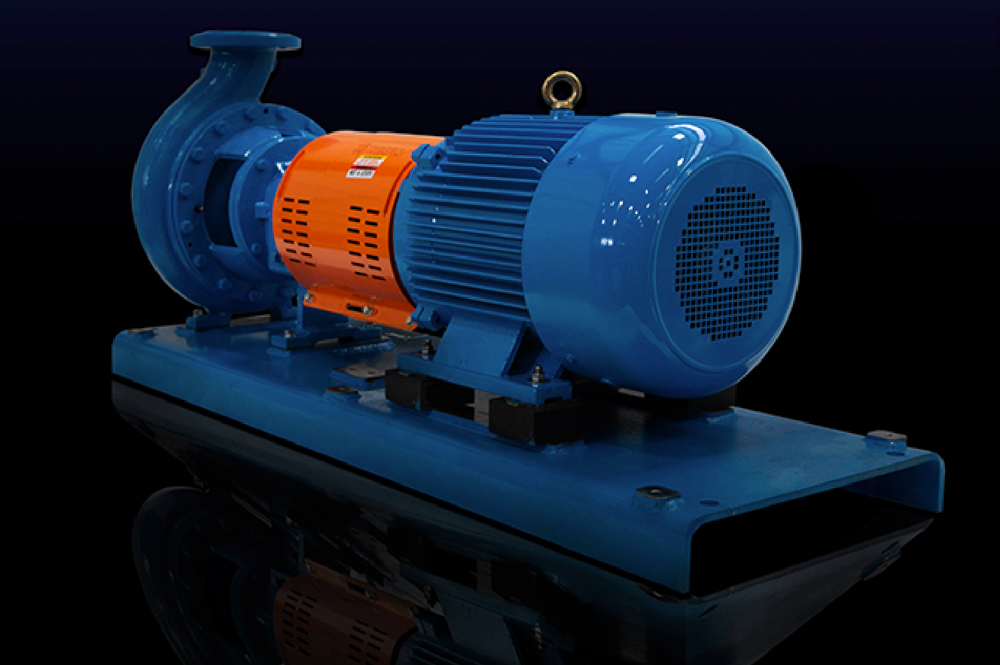
Choosing the right industrial centrifugal pumps can be challenging. Different applications require different specifications. According to Dr. Emily Smith, a leading expert in pump technology, "Selecting the right pump is crucial for operational efficiency." Her insight emphasizes the importance of understanding your specific needs.
In various industries, industrial centrifugal pumps serve distinct purposes. They handle fluids of different viscosities and temperatures. It's essential to evaluate the nature of the liquid being pumped. For instance, pumping corrosive fluids necessitates particular materials. Oversizing or undersizing pumps can lead to inefficiencies and higher operating costs.
Moreover, the right choice often depends on factors beyond just capacity. Manufacturers' reliability, energy efficiency, and maintenance requirements also play a role. Some pumps may not perform well under specific conditions, leading to unexpected breakdowns. Analyzing these aspects is critical for a successful selection.
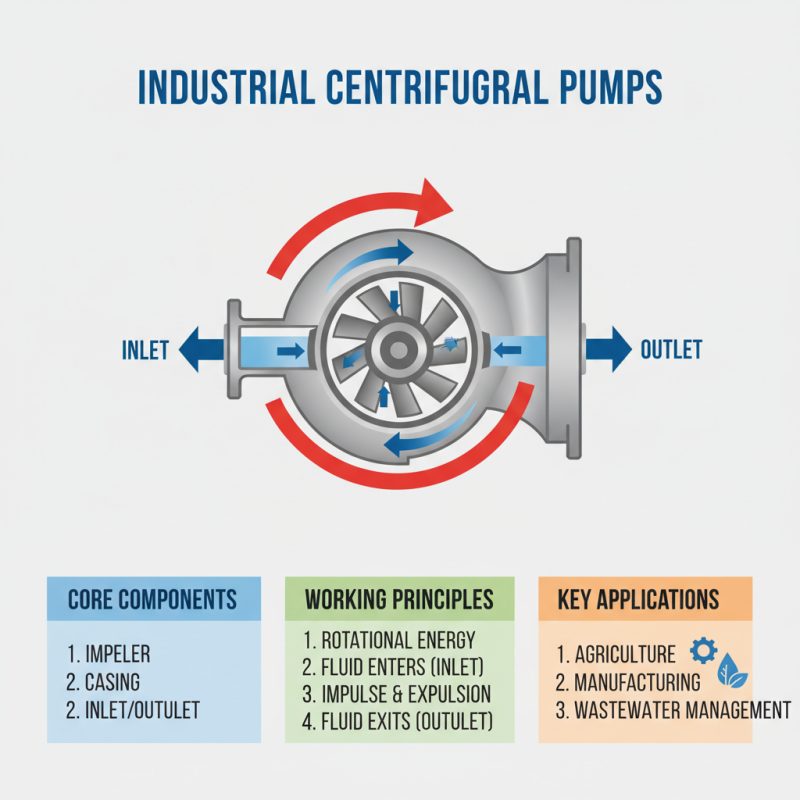
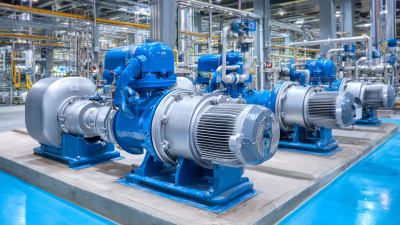
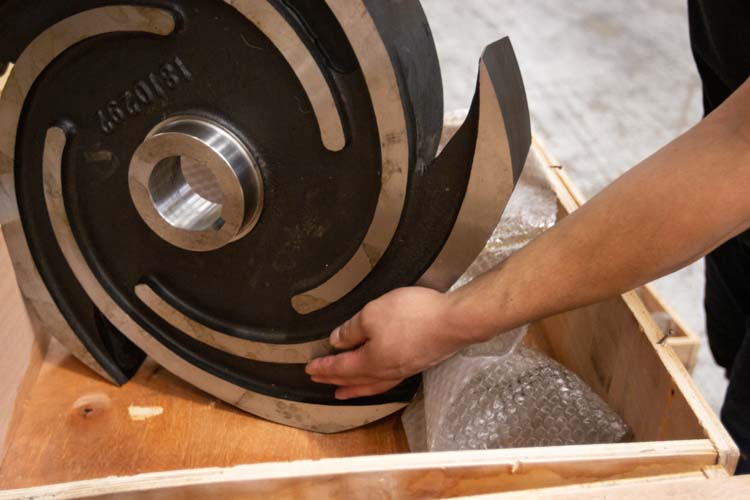
When exploring industrial centrifugal pumps, it's essential to understand their core components and working principles. Centrifugal pumps utilize rotational energy to move fluids. Water enters the pump through an inlet, flows into the impeller, and is expelled through the outlet. This basic mechanism is straightforward yet crucial for various applications in industries like agriculture, manufacturing, and wastewater management.
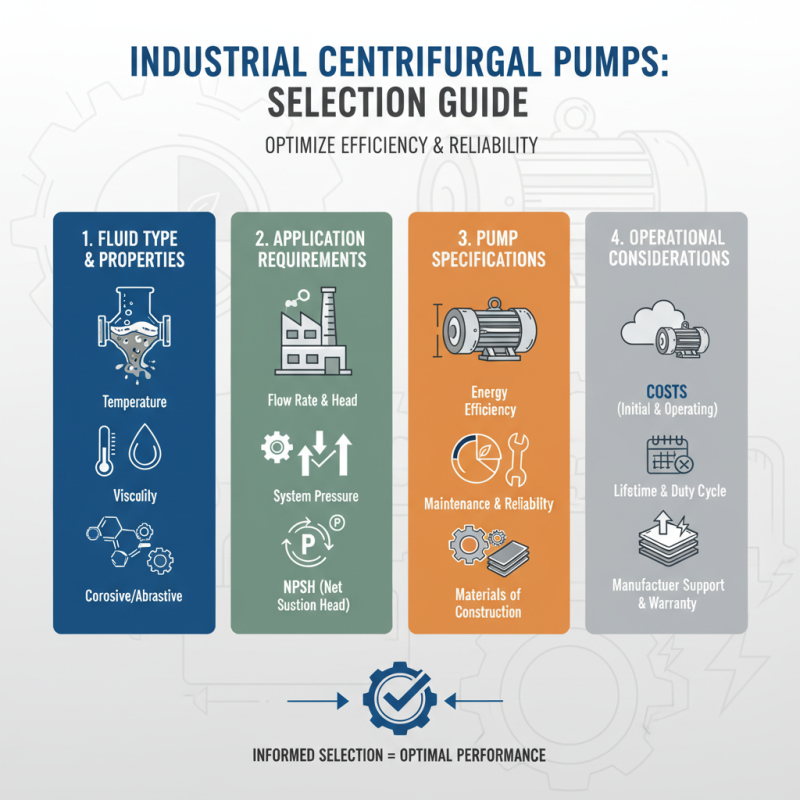
Choosing the right pump involves knowing both the fluid characteristics and the specific application. What is the fluid's viscosity? Is it corrosive? These questions matter. They help in selecting the right materials for construction. The impeller design also plays a vital role in efficiency. It's not just about picking a pump; it's about matching a pump to the need. Sometimes, this choice can be overlooked, leading to performance issues later.
Maintenance is another area that often gets neglected. Regular inspections can prevent costly downtime and extend the pump's lifespan. Small leaks may seem trivial but can lead to bigger problems over time. In many cases, operators rush into decisions without enough analysis. This can create challenges down the line. A thorough understanding of these basics can empower operators to make more informed choices.
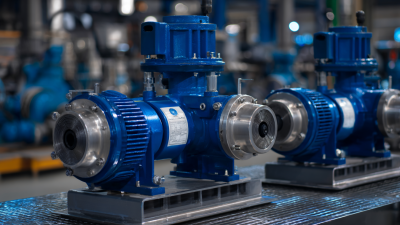
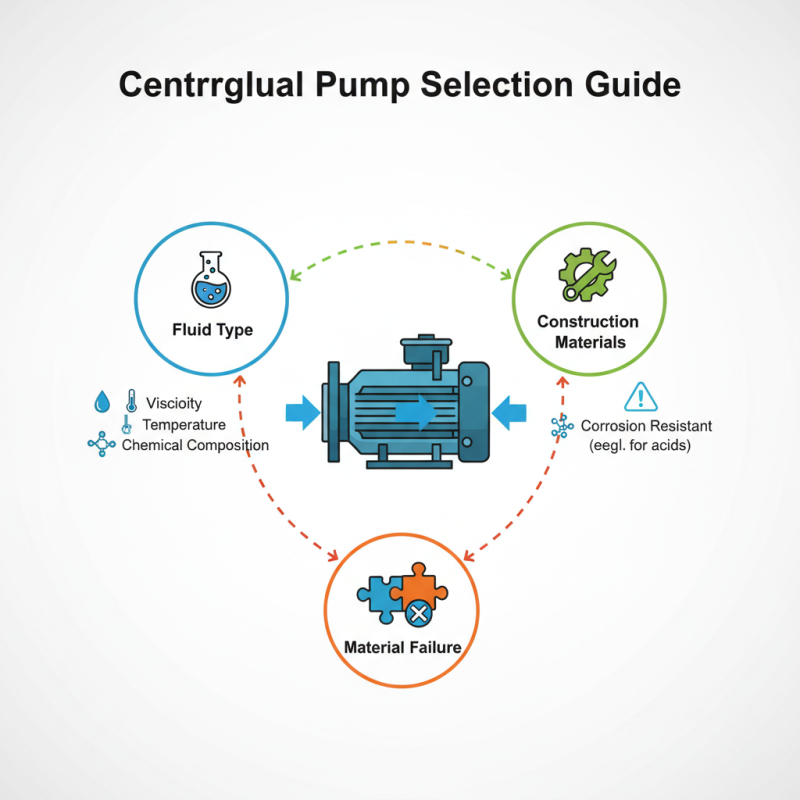
When choosing a centrifugal pump, several key factors come into play. The fluid type is crucial. Consider viscosity, temperature, and chemical composition. These factors affect the materials needed for the pump's construction. Selecting the wrong material can lead to failure. For example, corrosive fluids require special attention.
Flow rate is another important factor. Know the desired flow rate and head requirements. This helps in sizing the pump correctly. An undersized pump may not deliver enough fluid. Conversely, an oversized pump can waste energy and lead to maintenance issues. It's essential to strike a balance.
Pump efficiency also matters. You want to minimize energy costs over the pump's lifespan. Investigate the various designs available. Sometimes, a seemingly small difference in efficiency results in significant cost savings. Regular maintenance will help keep the pump operating smoothly, but it’s often overlooked. Assessing these aspects thoughtfully will lead to better long-term decisions.
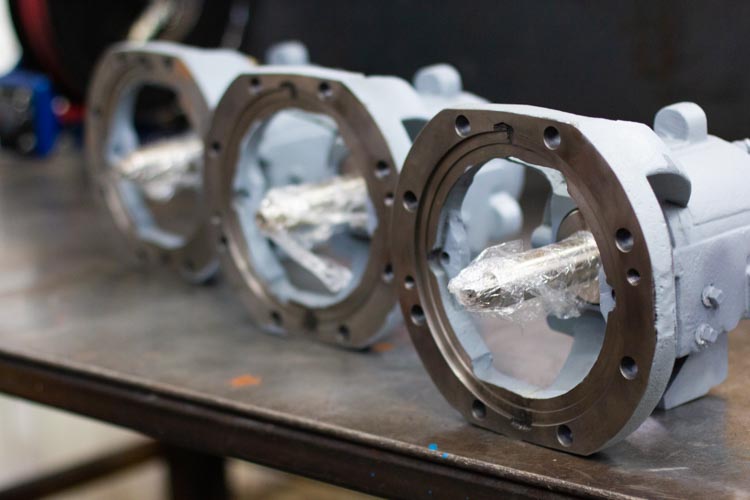
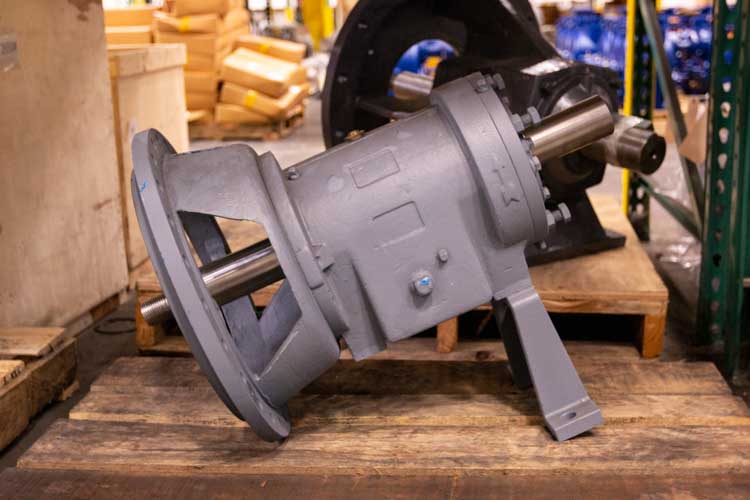
When selecting industrial centrifugal pumps, understanding the types and their specific applications is crucial. Centrifugal pumps come in various designs, each suited for different purposes. For instance, the end suction pump is common in many industries due to its simple design. It efficiently handles water and other light liquids. However, it may struggle with thicker fluids, which could be a point of consideration.
Another type is the vertical centrifugal pump. This pump is great for deep well applications. It often works efficiently in spaces where horizontal pumps may not fit. Still, it may require more maintenance over time. There’s also the multistage centrifugal pump. This one is beneficial for high-pressure applications, like boiler feedwater. While effective, the complexity can lead to higher failure rates if not managed properly.
Choosing the right pump requires matching the pump type to the specific application needs. Factors like fluid viscosity, pressure requirements, and space constraints must be evaluated. Sometimes, it’s easy to overlook these details in a rush to make a decision. This can lead to costly errors down the line. Thus, careful analysis is vital for effective and sustainable pump operation.
| Pump Type | Application | Flow Rate (GPM) | Head (ft) | Material |
|---|---|---|---|---|
| End Suction Pump | Water Supply, HVAC | 50-2000 | 50-150 | Cast Iron, Bronze |
| Vertical Turbine Pump | Irrigation, Well Water | 100-3000 | 100-250 | Stainless Steel, Plastic |
| Submersible Pump | Wastewater Treatment | 20-1000 | 30-150 | Polyethylene, Stainless Steel |
| Chemical Process Pump | Chemical Processing | 10-500 | 50-200 | CPVC, FRP |
| Multistage Pump | High Pressure Applications | 100-1500 | 200-600 | AISI 304, 316 |
Choosing the right industrial centrifugal pump can be daunting. One critical aspect is evaluating performance specifications and ratings. The American Society of Mechanical Engineers (ASME) provides detailed guidelines on pump performance metrics. Key parameters include flow rate, head, and efficiency. Improper evaluation can lead to operational inefficiencies.
When looking at flow rates, aim for systems that can maintain consistent performance. A pump operating outside its best efficiency point (BEP) can consume more energy, impacting costs significantly. For instance, a report from the Hydraulic Institute indicates that pumps failing to meet BEP can waste up to 25% more energy.
Tip: Review the pump curves thoroughly. Understand how the flow rate impacts head pressure. Also, consider the operating conditions. Are there fluctuations in temperature or viscosity? These factors influence pump efficiency. Remember, the right specifications in varying conditions matter.
Evaluating ratings isn't just about numbers. Technical data sheets can often be ambiguous. Look for user feedback and case studies. They can reveal real-world performance that raw specs may not show. A project could look ideal on paper but may fail in practice. Be mindful of pump design and material suitability. They can affect longevity and maintenance needs.
Tip: Consult with industry experts for insights. They can provide practical experiences that data sometimes misses. Each application has unique requirements. Choosing a pump without this insight can lead to regrets.
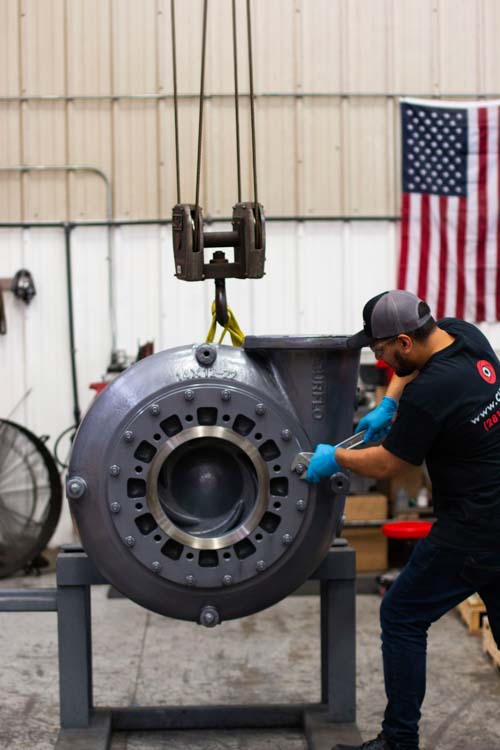
When considering maintenance for centrifugal pumps, start with regular inspections. Check for leaks, vibrations, and unusual noises. Over time, seals wear out, and impellers can corrode. These issues can lead to pump failures. It’s essential to address small problems before they escalate. A worn seal may seem minor but can cause significant damage.
Proper lubrication is another key aspect. Many pump failures stem from poor lubrication practices. Follow the manufacturer's guidelines, but also be aware of your specific operating conditions. Operating temperatures and fluids can vary greatly. Sometimes, grease can build up in unexpected areas. Make sure to clean and replace lubricants as necessary.
Monitoring pump performance is crucial. Track metrics like flow rate and pressure. Sudden changes can indicate underlying issues. Often, operators overlook these signs in a busy environment. Maintaining a detailed log can help identify trends and prevent breakdowns. Remember, proactive maintenance often saves time and costs in the long run.