Cost of Repairing vs. Replacing ANSI Pumps: A Comprehensive Analysis

Blog

China Best Priming Pump Quality Features and Applications Guide?

In the world of fluid handling, the priming pump plays a crucial role. These pumps are essential for various applications, from agricultural systems to industrial processes. Selecting the right priming pump can significantly affect system efficiency and reliability.

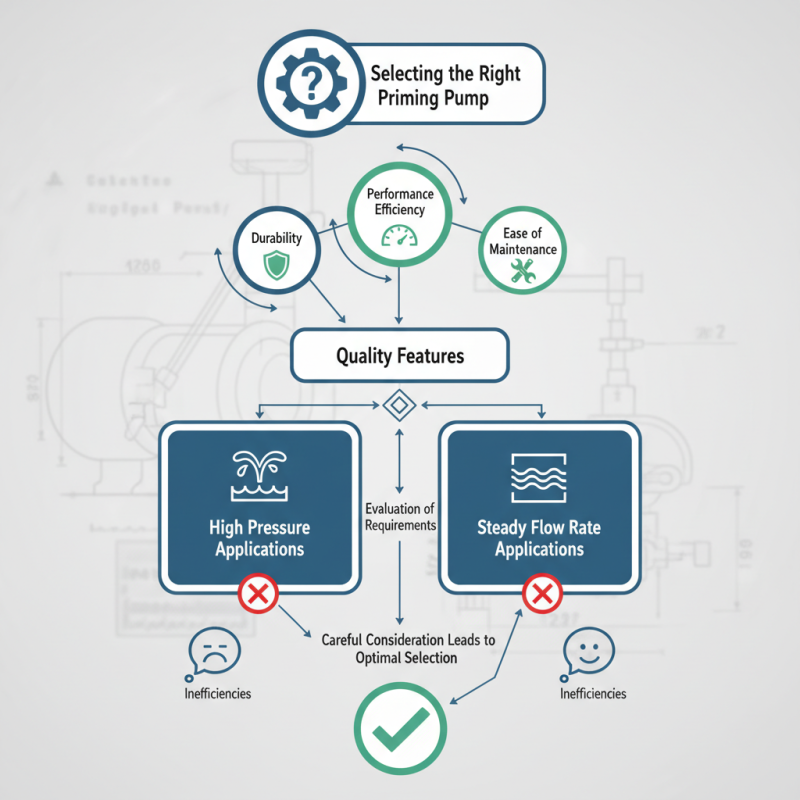
Quality features of a priming pump include durability, performance efficiency, and ease of maintenance. These factors determine how well the pump will operate under different conditions. Attention to these details can prevent costly downtime and ensure smooth operations.

Understanding how to select a priming pump involves knowledge of its specific applications. Some projects may require high pressure, while others need a steady flow rate. Evaluating these requirements is essential. However, one must also acknowledge that not every priming pump meets every need. Mistakes in selection can lead to inefficiencies, underscoring the importance of careful consideration.
China Best Priming Pump Quality Features and Applications Guide?

Overview of Priming Pumps in China

In China, priming pumps play a critical role in various industries like construction and wastewater management. These pumps are essential for transferring liquids and maintaining system performance. According to industry reports, the Chinese priming pump market is projected to grow at a compound annual growth rate (CAGR) of 5% over the next five years. This growth is fueled by increasing infrastructure development and urbanization.

Priming pumps are designed to remove air from the suction line. This feature ensures smooth operation and prevents cavitation. Reports indicate that the quality of these pumps must meet international standards for efficiency and reliability. Many manufacturers focus on using high-grade materials and advanced technologies to enhance pump durability. However, despite advancements, some products still lack quality consistency.

Applications of priming pumps extend beyond construction. They are also vital in mining and agricultural sectors. Data shows that approximately 30% of priming pumps are used in irrigation systems, highlighting their importance in resource management. Still, manufacturers face challenges in meeting the growing demand for energy-efficient models, pushing the industry toward innovation and improvement.
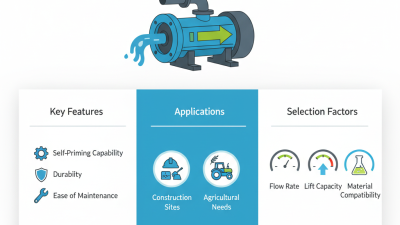

Key Features of High-Quality Priming Pumps

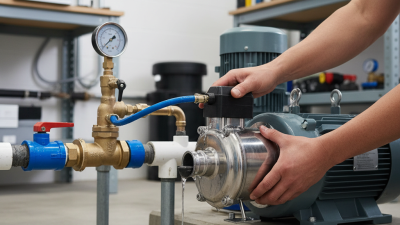
When selecting a priming pump, consider key features that elevate quality. The design of a high-quality priming pump includes robust materials. Stainless steel components tend to offer longevity and resistance to corrosion, ensuring reliable performance. Additionally, a well-designed pump should have a user-friendly interface and easy maintenance protocols.

In terms of applications, these pumps are essential in construction, agriculture, and wastewater management. They effectively move liquid through systems with minimal hassle. A quality priming pump can handle varying fluid types, providing flexibility in applications.

Tip: Always check the pump's flow rate and pressure specifications. This ensures compatibility with your system requirements.

Another feature worth noting is energy efficiency. A high-quality pump should optimize power consumption. While efficiency is crucial, some pumps may underperform. Reflecting on your needs can lead to better choices.

Tip: Regularly inspect your pump for wear and tear. Early detection can prevent costly failures. High-quality priming pumps can transform operations, but they require diligence in monitoring.

Common Applications of Priming Pumps in Various Industries

Priming pumps play a crucial role in multiple industries. Their primary function is to remove air from the pump system. This ensures efficient operation and optimal performance. In construction, these pumps are essential for dewatering applications. They help manage water levels on job sites, allowing for safer work conditions.

In the agricultural sector, farmers rely on priming pumps for irrigation. These pumps help draw water from wells or reservoirs. They ensure crops receive adequate moisture during crucial growth phases. Additionally, in chemical processing, priming pumps are used to transfer viscous liquids. Their capability to handle different fluids makes them valuable in this field.

However, reliance on priming pumps can come with challenges. Occasional airlocks can occur, resulting in pump inefficiency. Regular maintenance and monitoring are necessary to prevent these setbacks. Industry professionals must remain vigilant to ensure their systems function optimally. Awareness of potential issues leads to better operational reliability.

Factors Influencing the Selection of a Priming Pump

China Best Priming Pump Quality Features and Applications Guide?

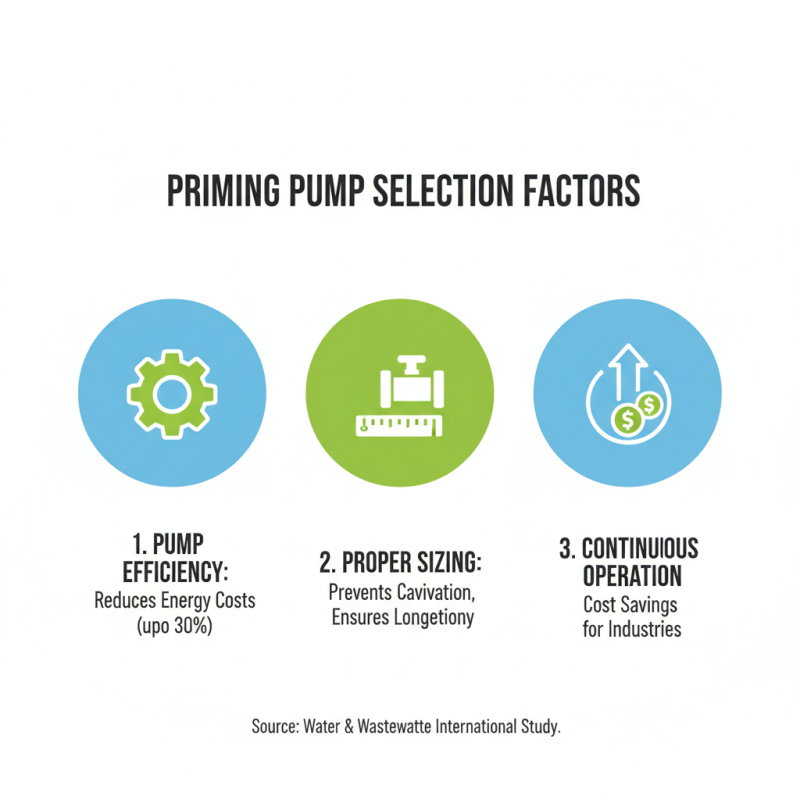
When selecting a priming pump, several key factors play a crucial role. Pump efficiency is one of the most important aspects. According to the Water & Wastewater International study, a highly efficient pump can reduce energy costs by up to 30%. This is vital for industries that rely on continuous operation. Proper sizing is also essential; an incorrectly sized pump can lead to cavitation, impacting performance and longevity.

Another critical factor is the pump's construction material. Corrosion resistance is vital, especially in chemical applications. The choice of materials directly influences durability and maintenance costs. A report by the Hydraulic Institute highlighted that pumps made with stainless steel have a longer lifespan in corrosive environments, often exceeding 10 years before significant maintenance is needed.

Noise levels can often be overlooked. In residential or enclosed environments, low-noise pumps can improve comfort and satisfaction. For instance, submersible priming pumps typically operate at lower dB levels, making them suitable for urban areas. Understanding these factors helps ensure you choose the right priming pump for your specific needs, although finding a perfect match can be challenging.

Maintenance Tips for Ensuring Priming Pump Longevity

Maintaining a priming pump is crucial for its longevity and efficiency. Regular inspections can identify wear and tear early. According to industry reports, over 70% of pump failures are caused by inadequate maintenance. A consistent routine helps detect issues before they escalate.

Changing the oil at recommended intervals is vital. Clean oil reduces friction and heat, extending the pump's life. Additionally, it's important to check seals and gaskets regularly. A worn seal can lead to leaks, which often result in bigger problems down the line.

Finally, operators should monitor operational conditions. If a pump runs dry, it could suffer severe damage. Understanding the operational limits is key. Using a flow meter can provide real-time data. Keeping an eye on these metrics ensures optimal performance. Regular maintenance combined with vigilant monitoring can significantly boost the reliability of priming pumps.

China Best Priming Pump Quality Features and Applications

This bar chart illustrates the various quality features and applications of priming pumps in different sectors, highlighting their usage in agriculture, construction, and municipal services, along with their maintenance needs for ensuring longevity.

Proud Member Of Curry Supply Holdings
Since 1932

Tour Our State-of-the-Art Facility

Click for a Quick Quote