Industrial pump parts are critical components that directly impact performance and durability. Choosing the right parts can greatly influence efficiency and longevity. For example, materials and design play a vital role in pump function. High-quality materials can withstand harsh conditions. However, it is common to overlook the importance of regular maintenance.
Many industrial operations fail to address wear and tear on pump parts. Ignoring these issues can lead to unexpected downtime or costly repairs. While some businesses prioritize cost over quality, this often backfires. In contrast, investing in durable industrial pump parts can prevent long-term losses.
Understanding the specific needs of your pumps is essential. Each application may require different components to achieve optimal performance. While some parts may seem standard, subtle variations can make a significant difference. Taking the time to analyze your requirements can lead to better decision-making. Ultimately, focusing on the right industrial pump parts can enhance overall production efficiency.
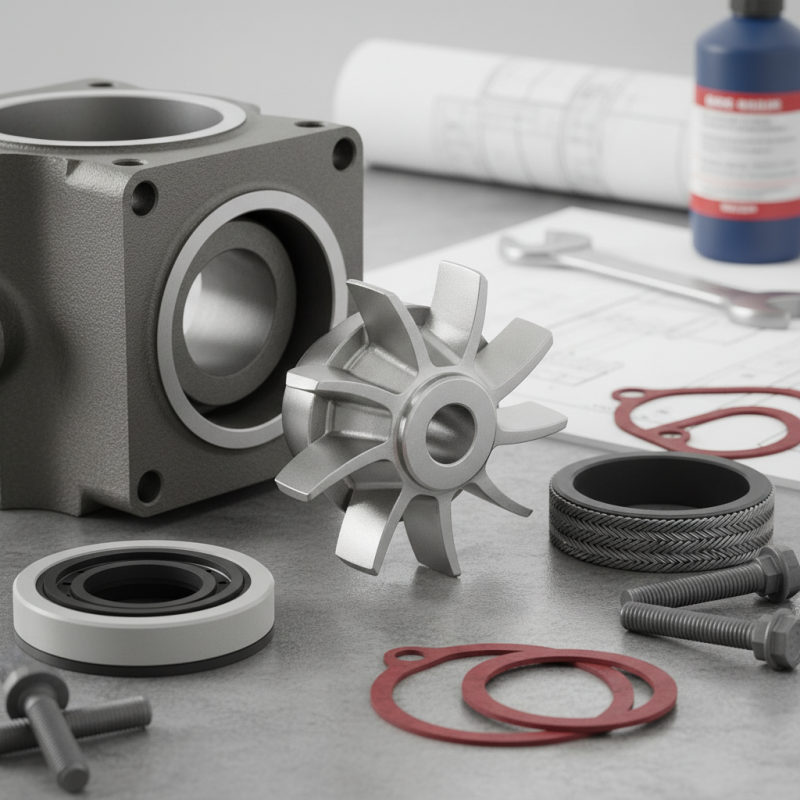
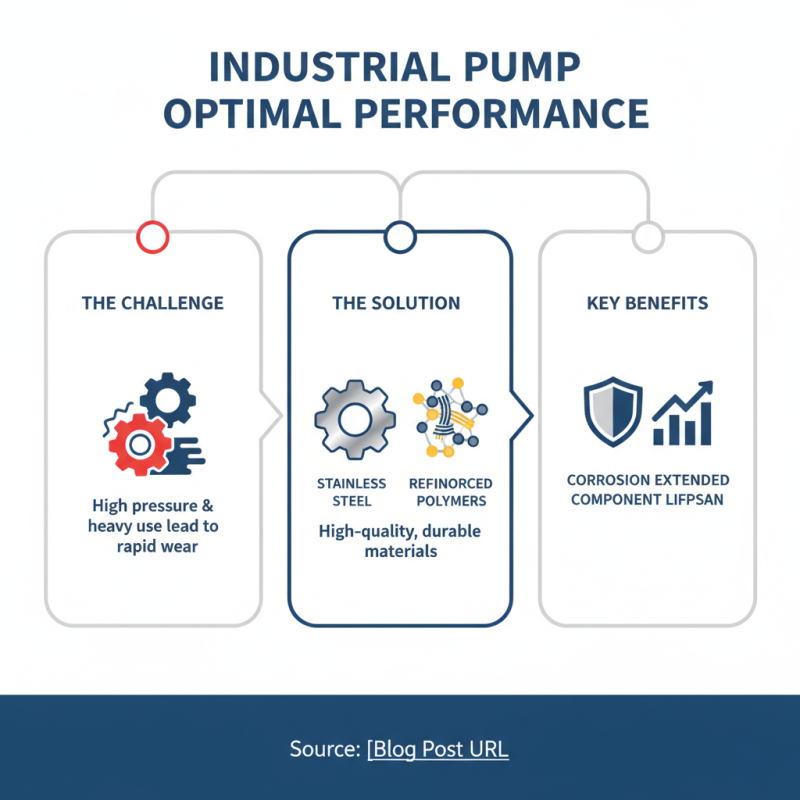
When it comes to industrial pumps, the right parts are crucial for optimal performance. Pump components wear down quickly under high pressure and heavy use. Choosing high-quality materials can make a significant difference in durability. Look for parts made from stainless steel or reinforced polymers. These materials resist corrosion and wear better than others.
Tips: Always inspect your pump regularly. Catching small issues early can prevent more significant problems later. A regular maintenance schedule helps extend the lifespan of parts.
Also, pay attention to the seals and gaskets. They are often the first to fail and can cause leaks. Investing in better seals may save money in the long run. Not every part is perfect; some may need frequent replacements. It’s essential to remain vigilant about the condition of all components.
Tips: Don’t hesitate to consult experts if unsure about specific parts. Knowledge gaps can lead to costly mistakes. Understanding the requirements of your pump will inform better choices. Choose wisely for lasting performance.
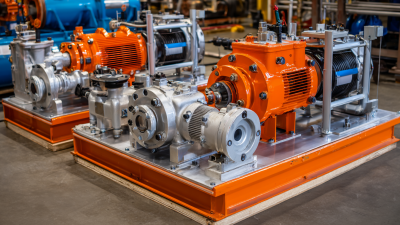
Material selection plays a crucial role in the longevity of industrial pump components. Different materials react differently under varying conditions. For instance, corrosion-resistant alloys tend to outlast standard steel in harsh environments. According to a 2022 industry report, pumps made from high-grade stainless steel showed a 25% increase in lifespan compared to those made with standard carbon steel.
Another important factor is the impact of temperature and pressure on materials. Some polymers can withstand high temperatures, maintaining integrity under stress. Yet, improper selection can lead to catastrophic failures. A 2021 survey highlighted that 30% of pump failures resulted from material incompatibility. This indicates a clear need for careful evaluation of material properties.
In terms of performance, empirical studies show that wear-resistant materials significantly reduce maintenance costs. Pumps built with advanced ceramics have demonstrated a 40% reduction in wear rates. However, these materials may also introduce higher initial costs, posing a dilemma for decision-makers. Balancing upfront investment with long-term savings is crucial. Ensuring the right material choice can determine the system's overall efficiency and durability.
| Component | Material | Durability Rating | Optimal Operating Temperature (°C) | Corrosion Resistance |
|---|---|---|---|---|
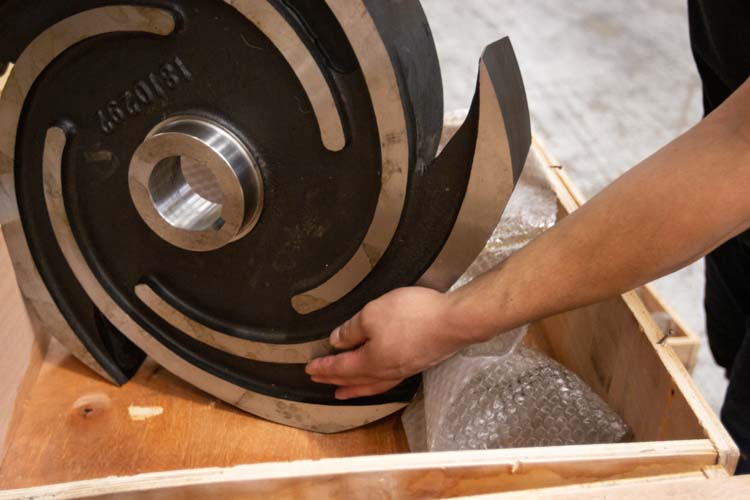
| Impeller | Stainless Steel | High | -20 to 120 | Excellent |
| Seal | PTFE | Medium | -50 to 200 | Good |
| Volute | Cast Iron | High | -10 to 100 | Moderate |
| Bearings | Bronze | High | -10 to 150 | Good |
| Suction Strainer | Plastic | Medium | 0 to 70 | Poor |
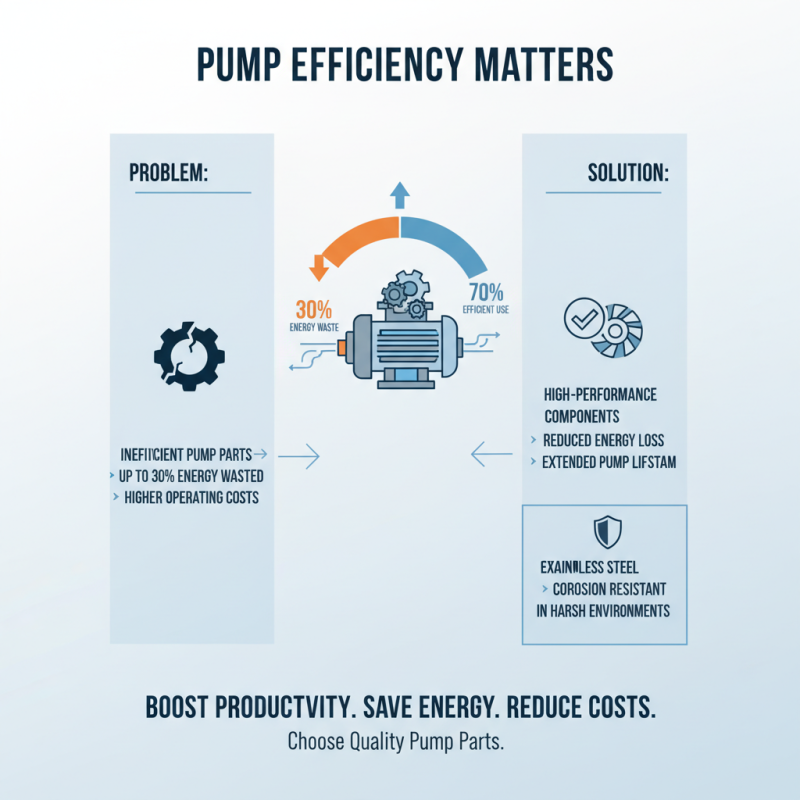
The efficiency of pump parts directly impacts industrial operations. Data shows that up to 30% of energy can be wasted due to inefficient pump components. This highlights the importance of selecting high-performance pump parts that meet essential specifications. For instance, stainless steel components offer superior corrosion resistance, extending the life of pumps in harsh environments.
Key specifications should include high tolerances within manufacturing processes. Parts with tolerances as tight as ±0.01 mm ensure optimal fit and function. Moreover, using ceramic coatings can enhance wear resistance, further supporting durability. Meanwhile, some industries often overlook regular maintenance, leading to unexpected downtimes.
Achieving optimal performance isn't solely about the products themselves. Regular inspections and upgrades play a vital role in maintaining efficiency. Research indicates that companies that prioritize smart maintenance can achieve up to 15% better performance. It's clear that both quality parts and proactive upkeep are crucial in industrial applications.
Maintenance practices play a crucial role in the lifespan of industrial pump parts. Regular inspections can significantly extend the durability of these components. According to a 2022 industry report, proper maintenance can increase pump lifespan by up to 40%. Routine checks help identify wear and tear early. Replacing worn seals and bearings can prevent catastrophic failure.
Ignoring maintenance can lead to serious issues. Data from a leading mechanical engineering journal highlights that neglected pumps can experience a 30% reduction in efficiency. This not only affects performance but also increases energy costs. Accumulated debris can clog filters, decreasing flow rates. Investing in maintenance saves money in the long run.
Effective lubrication is often overlooked. It reduces friction and heat, key factors in wear. Reports indicate that improper lubrication accounts for nearly 25% of pump failures. Employees must be trained on best practices. It's essential to foster a culture of maintenance awareness. Small steps can lead to significant improvements in equipment reliability.
Industrial pump components play a vital role in ensuring smooth operations. They affect both performance and durability. Innovative designs and materials are now available, enhancing efficiency. For example, advanced seals can prevent leaks that cause costly downtime. Durable materials resist wear and tear, extending the lifespan of pump parts.
One major development is the use of composite materials. They’re lighter and more resistant to corrosion. These materials can withstand harsh chemicals, which traditional metals can't handle well. It’s worth noting that not all innovations have proven effective. Some may require more frequent replacements due to unexpected failures. Regular assessments can help avoid these pitfalls.
Efficient pump performance often hinges on component compatibility. A mismatch in parts can lead to reduced functionality. Testing new components thoroughly before full deployment is crucial. Suppliers sometimes fail to provide complete information about their products. Users must engage in due diligence to ensure optimal performance and durability, avoiding the trap of assumptions.