Top 10 Advantages of Using Stainless Steel Pumps for Your Applications?
In today’s industrial landscape, the choice of pump materials significantly affects efficiency and performance. Stainless steel pumps have emerged as a popular choice for various applications. Renowned industry expert John Smith once stated, "Stainless steel pumps enhance durability and efficiency, making them a wise investment for any operation." His insight reflects the widespread recognition of the benefits these pumps offer.
Stainless steel pumps resist corrosion and withstand extreme temperatures. This durability extends their lifespan and reduces maintenance costs significantly. Companies rely on them for their ability to handle diverse fluids, ensuring consistent performance. In industries like food processing, pharmaceuticals, and chemical manufacturing, stainless steel pumps are essential for maintaining hygiene and safety standards.
While the advantages are clear, there are challenges to consider. The initial cost can be higher than other materials. However, many businesses find that the long-term savings outweigh this upfront investment. Evaluating these factors is crucial for making informed decisions. The commitment to quality often pays off in the long run.
Benefits of Stainless Steel Pumps in Various Industries
Stainless steel pumps are widely used in various industries for many reasons. Their resilience is a key factor. Stainless steel resists corrosion, making it suitable for environments with harsh chemicals. This durability leads to lower maintenance costs. Businesses can save time and money on repairs.
In the food and beverage sector, hygiene is crucial. Stainless steel pumps are easy to clean. They do not retain bacteria, which ensures product safety. This feature is essential for meeting health standards. In pharmaceuticals, similar benefits apply. Precision and cleanliness are vital for drug production.
However, not all applications may benefit equally. For some, the initial investment is high. Smaller businesses may find this challenging. There is also a need for skilled operators to handle these pumps effectively. Proper training ensures safety and efficiency. Balancing costs and benefits is a critical thought for decision-makers.
Corrosion Resistance: Enhancing Longevity and Performance
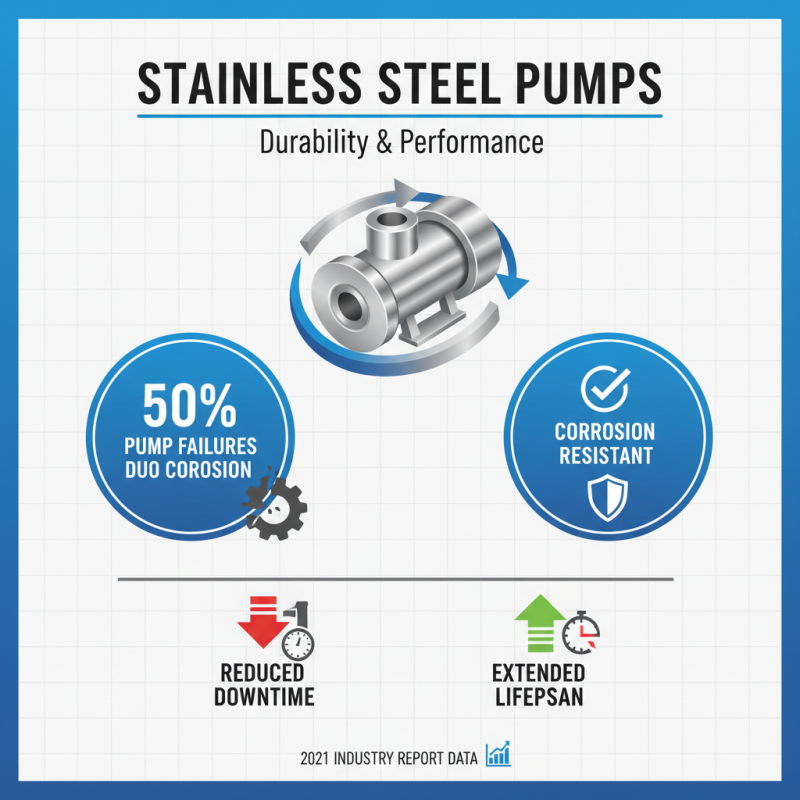
Stainless steel pumps stand out for their corrosion resistance, which significantly enhances their longevity and performance. In various industries, corrosion is a major concern. It leads to equipment failure and costly downtimes. A 2021 industry report indicated that over 50% of pump failures stem from corrosion-related issues. This can be prevented by using stainless steel, which can withstand harsh environments.
Stainless steel can resist various corrosive substances, including acids and alkalis. This makes it ideal in chemical processing, food and beverage, and wastewater management. According to a survey, systems using stainless steel pumps experienced 40% less maintenance downtime. The durability of stainless steel means fewer replacements, resulting in cost savings over time. Despite this, some facilities still hesitate, often due to initial costs or lack of knowledge.
However, not all stainless steel is created equal. The composition varies, affecting its resistance. Some grades perform better than others in specific environments. A deeper understanding of these nuances can improve pump selection. It's clear that overlooking the significance of corrosion resistance can lead to significant long-term setbacks. Investing in stainless steel is a step toward better reliability.
Hygienic Properties: Ideal for Food and Pharmaceutical Applications
Stainless steel pumps are known for their hygienic properties. This makes them perfect for food and pharmaceutical applications. In these industries, cleanliness is paramount. Stainless steel is naturally resistant to bacteria, ensuring safe transport of liquids. It can be easily sanitized, meeting strict health standards.
Using stainless steel pumps minimizes contamination risks. The smooth surface prevents residue build-up, which can harbor harmful pathogens. For food manufacturers, this means longer shelf life and better product quality. Pharmaceutical companies benefit from reduced risk during drug production. Daily cleaning routines become simpler and more effective.
However, not all situations are ideal. Initial costs may be higher than alternatives. Maintenance can also be a challenge in remote locations without proper facilities. It's essential to evaluate the specific needs and environment before investing. Failure to do so could lead to operational inefficiencies. The benefits are clear, but one must approach each decision with care.
Low Maintenance: Reducing Downtime and Operational Costs
Stainless steel pumps are gaining popularity for various applications due to their durability and low maintenance needs. Reports indicate that stainless steel equipment can reduce downtime by up to 30%. Less maintenance means fewer repairs and lower operational costs. This transition is essential for industries that rely on continuous operations.
Tips: Regular inspection is key. Examine seals and fittings often to prevent leaks. Small issues can escalate if ignored.
The choice of materials can impact maintenance. Stainless steel resists corrosion and scaling, extending the pump's lifespan significantly. A study showed that stainless steel pumps can last 2-3 times longer than those made from other materials. This longevity translates into financial savings over time, enhancing overall efficiency.
Tips: Create a maintenance schedule tailored to your operations. Address potential problems early to avoid costly repairs later.
Less time spent on maintenance allows teams to focus on productivity. Yet, there can be challenges. Initial costs for stainless steel may be higher than alternative materials. However, the long-term benefits often outweigh these upfront investments. Consider the total cost of ownership before making a choice.
Versatility: Applications Across Multiple Sectors and Fluids
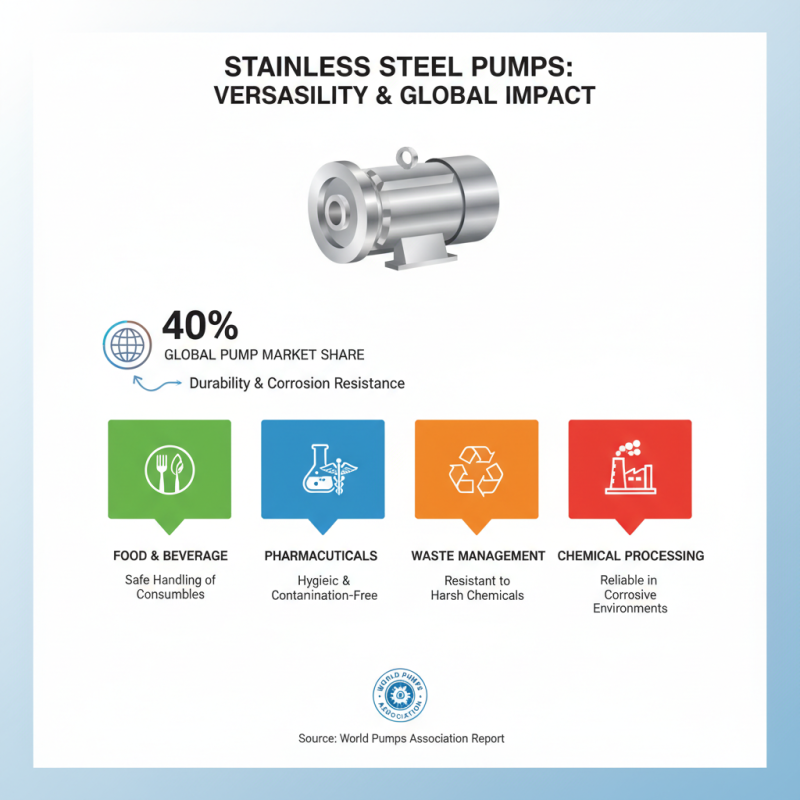
Stainless steel pumps are known for their versatility across various sectors. They are used in food and beverage, pharmaceuticals, waste management, and chemical processing. These industries require pumps that can handle different types of fluids safely and efficiently. A report from the World Pumps Association highlights that stainless steel pumps account for 40% of the global pump market, driven by their durability and resistance to corrosion.
One critical advantage is their ability to operate in extreme temperatures and pressures. This is essential in sectors like oil and gas, where conditions can be harsh. In a recent industry study, it was found that stainless steel pumps have a lifespan 30% longer than traditional pumps under similar conditions. However, their initial cost can be high, leading some businesses to reconsider long-term investment strategies.
Moreover, their hygiene standards in food applications are impressive. Stainless steel is easy to clean and maintain, making it the preferred choice for food processing plants. However, improper maintenance can lead to contamination, which poses risks. Companies must train staff adequately to prevent issues. The versatility of stainless steel pumps is undeniable, but businesses need to weigh their benefits against challenges.